 (Image credit: NASA/ESA) Share this article 0 Join the conversation Follow us Add us as a preferred source on Google Newsletter Get the Space Newsletter
 Breaking space news, the latest updates on rocket launches, skywatching events and more!
Contact me with news and offers from other Future brands Receive email from us on behalf of our trusted partners or sponsors By submitting your information you agree to the Terms & Conditions and Privacy Policy and are aged 16 or over.You are now subscribed
Your newsletter sign-up was successful
Want to add more newsletters?
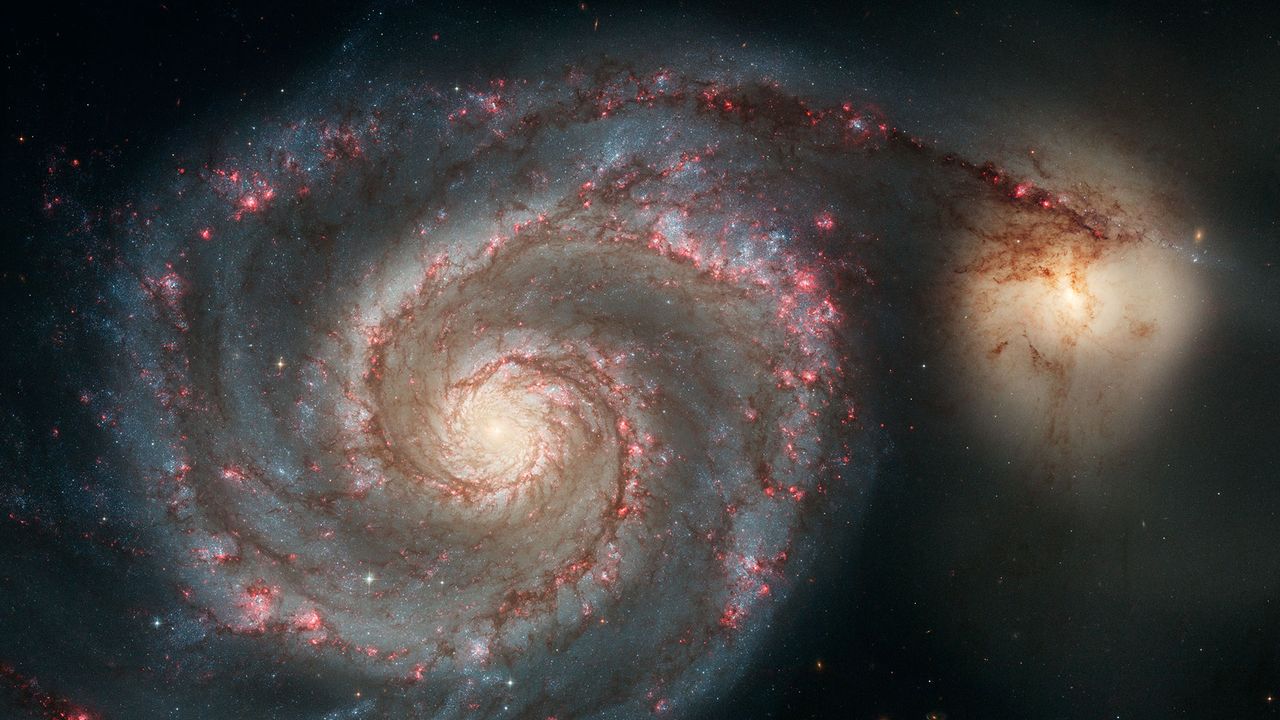
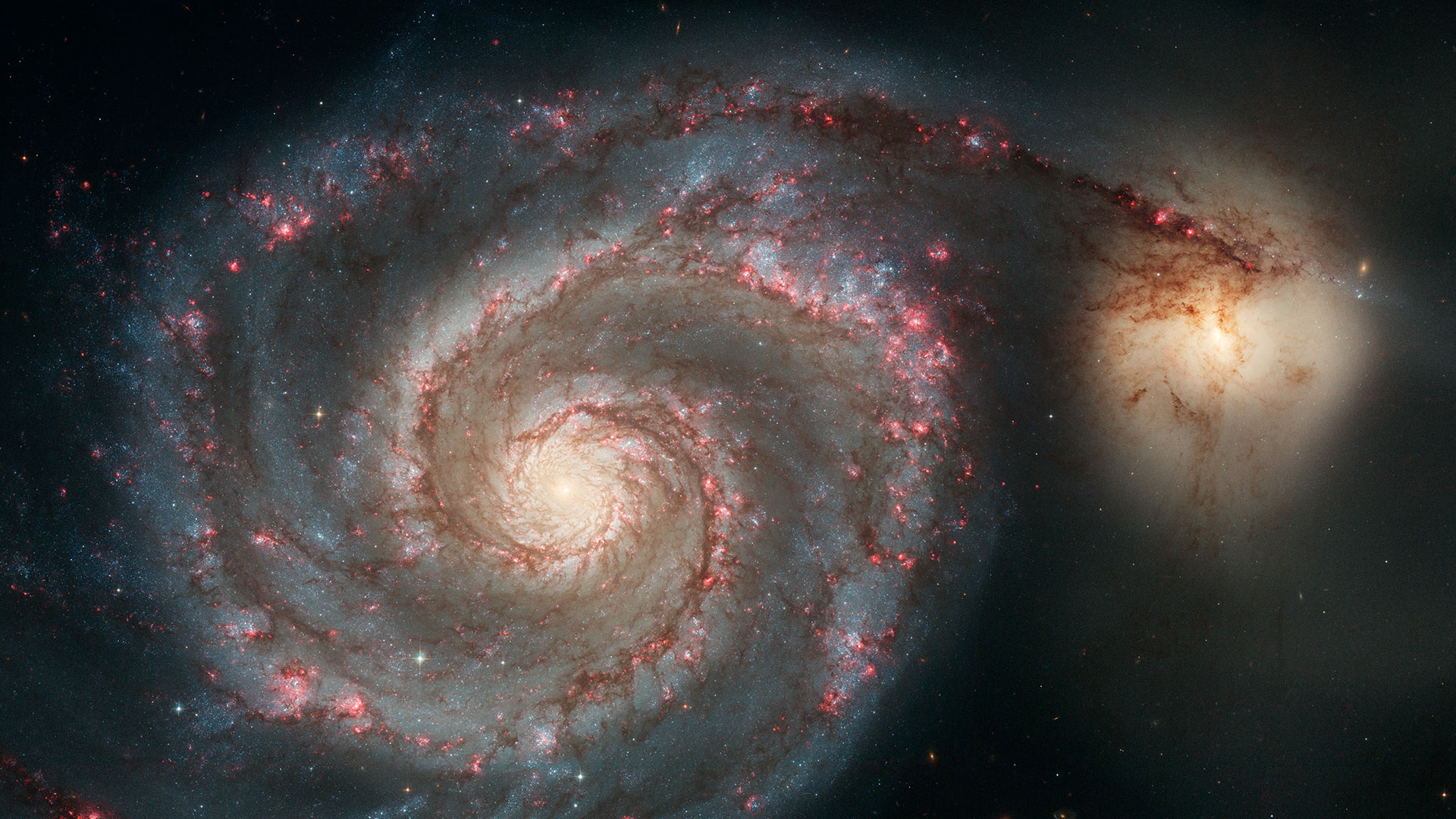
An account already exists for this email address, please log in. Subscribe to our newsletterSpring is almost here, which means it's galaxy season for amateur astronomers! Grab your telescope and join us as we highlight some of the most beautiful galactic targets visible in the spring night sky over the coming months.
Why is spring a good time to see galaxies?
Our view of the night sky is constantly changing as Earth makes its yearly journey around the sun. In spring, the northern hemisphere points away from the dusty plane of the Milky Way, revealing constellations teeming with majestic galaxies.
"Constellations like Leo and Virgo are where our nearest galaxy clusters lie and in springtime, these constellations are best visible at midnight, the darkest point of the day," Finn Burridge, Science Communicator at Royal Observatory Greenwich told Space.com in an email.
"Galaxies are hard to spot," Burridge continued. "They are very faint and distant and need perfectly dark conditions to see them best, so avoid a full or large Moon. You'll also need a telescope or large binoculars to spot them. However, they are incredibly rewarding to see and image."