Between outbreaks of explosive diarrhea leading to nationwide lettuce recalls and cases of Salmonella tied to eggs and jalapeños, foodborne diseases in the United States have been hitting the headlines hard this summer.
But is the U.S. really contending with more foodborne infections than usual this year, or does the extensive news coverage just make it feel that way?
Live Science spoke with researchers to find out. Here's what the experts wish people knew about the recent outbreaks.
What is Cyclospora, and how many people have been infected?
Cyclospora cayetanensis is a single-celled parasite that, when ingested, can cause an intestinal illness known as cyclosporiasis. Symptoms of the infection include watery diarrhea, nausea and cramping. It's rarely fatal, but its symptoms can be severe; specific antibiotics can clear the infection.
There are currently several unrelated outbreaks of cyclosporiasis in the United States, most of which have not been linked to specific sources of contamination. Across all of the outbreaks combined, 10,468 lab-confirmed and a further suspected 12,255 cases were reported in the U.S. between May 1 and Aug. 4.
Health officials have linked the largest of the outbreaks to iceberg lettuce sourced from central Mexico and supplied by Taylor Farms. A recall of the affected produce was issued July 17. As of Aug. 5, over 6,300 cases of cyclosporiasis across 15 states have been linked to this outbreak, resulting in 278 hospitalizations and two deaths.
However, despite the large number of cases involved, the outbreak linked to lettuce does not necessarily represent a cause for alarm.
"This particular outbreak traces back to a single independent farm in central Mexico that Taylor Farms estimates supplies under 1% of the U.S. iceberg [lettuce] supply," Jessica Steier, a public health scientist, told Live Science by email. "One contamination event, on one farm, growing product that gets shredded and distributed nationally through food service is enough to produce thousands of illnesses and isn't necessarily a trend."
Considering the total number of Americans and the volume of lettuce consumed annually each summer, "you're looking at a very small fraction," she said. "For the large majority of Americans, the risk right now is very low."
Lettuce has been recalled due to being a source of Cyclospora. (Image credit: Bryan Steffy via Getty Images)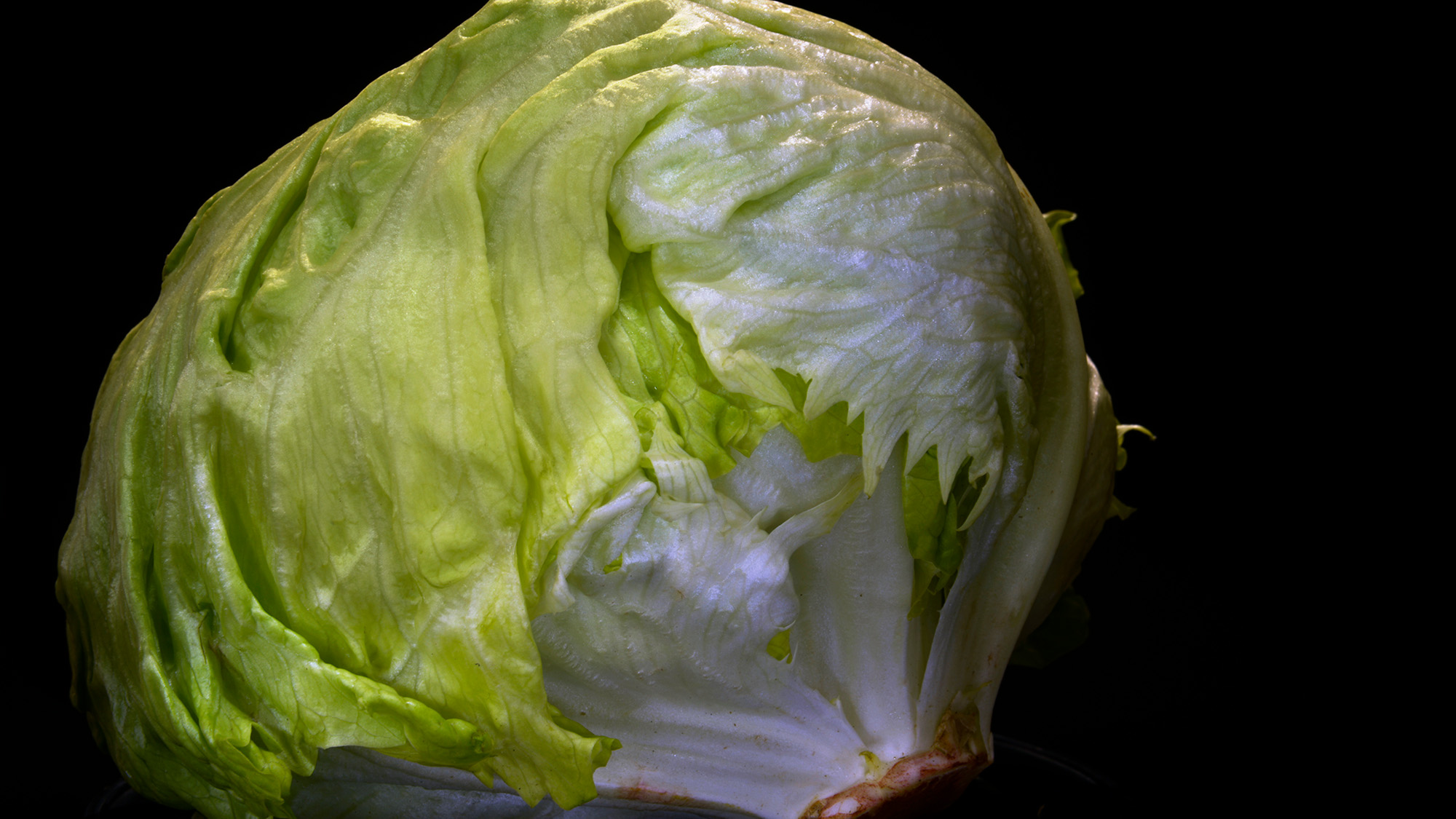
Furthermore, the exposures to the contaminated lettuce are likely behind us, she noted. Cyclosporasis symptoms can take two weeks to show up, and the nation's capacity to test for the parasite is limited. Those factors mean the case counts are catching up.
How does the Cyclospora situation compare with previous years?
The Centers for Disease Control and Prevention (CDC) has confirmed more than 10,000 domestically acquired cases of cyclosporiasis since May 1, with another 12,000-plus awaiting confirmation, compared with roughly 2,000 to 3,000 in a typical full year, Steier said. "This is the largest documented cyclosporiasis outbreak in US history," she told Live Science.
Although the primary Cyclospora outbreak has been tied to lettuce, how that lettuce became contaminated is not yet known. Exposure typically occurs as a result of irrigation water that is contaminated with tiny amounts of human waste bearing the parasite or improper sanitation for workers during growing, harvesting or handling, according to the State of Rhode Island Department of Health.
Cyclosporiasis was first detected in the United States in 1985 — the illness was seen in four travellers who had returned to New York from Haiti and Mexico. The first U.S. outbreak occurred in Illinois in 1990; there were just 21 clinically defined cases associated with contaminated tap water. The next recorded outbreak occurred in Florida in 1995, with just 45 cases; the following year, there was a single outbreak of more than 1,400 cases across 20 states linked to raspberries imported from Guatemala.
As a result of these outbreaks, in 1999 the disease became nationally notifiable, meaning new cases are reported to the CDC. On average, there have been around 3,600 cases of cyclosporiasis in each of the past few years.
Steier attributes the growing trend in Cyclospora cases to Americans eating more fresh produce year-round, with much of it grown in — and imported from — tropical and subtropical regions where the parasite is commonly found. In 1990, when the U.S. had its first cyclospora outbreak, imports accounted, respectively for only around 35% and 10% of the nation’s fresh fruit and vegetable availability; today, those figures have risen to around 60% and 35%. Additionally, tests that detect the pathogen have been improved, so there's a greater rate of diagnosis.
Is there one Cyclospora outbreak, or many?
Part of the problem is that some news coverage "keeps reporting a singular number that keeps increasing, which is not useful," Steier said. "Almost every story leads with a number, and almost none explain what it's counting."
There are many metrics being reported, including the CDC's confirmed national case count, the confirmed cases in the 15-state outbreak, the cases still awaiting confirmation, travel-associated cases, and various states' totals, which sometimes combine probable and confirmed cases.
An illustration of Cyclospora cells. (Image credit: wildpixel via Getty Images)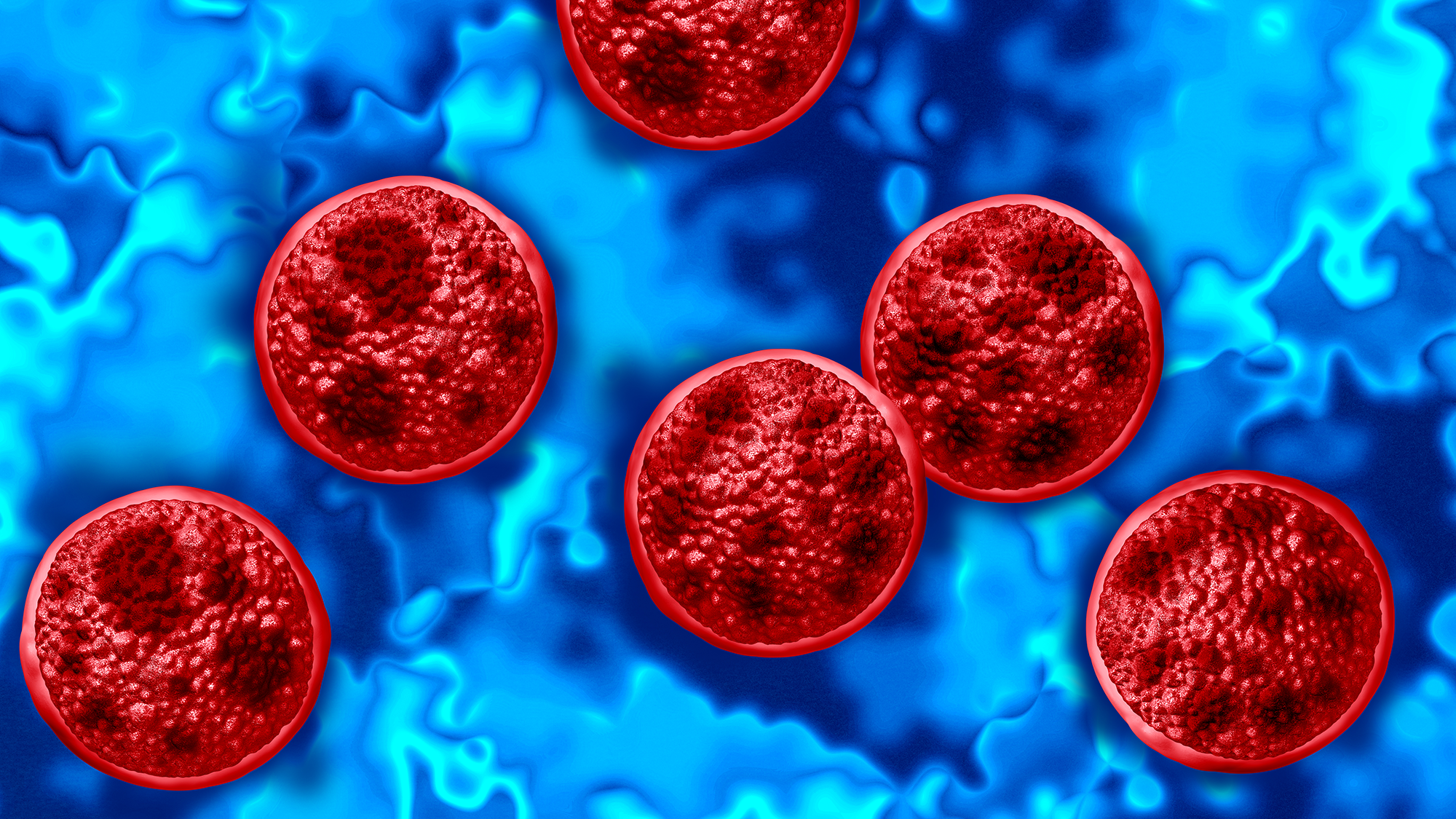
If you conflate all those counts, Steier cautioned, "we create the appearance of one massive outbreak, which is not necessarily the case." In other words, "Cyclosporiasis reported in 47 different states is not the same thing as an outbreak in 47 states, and media coverage doesn't reflect that distinction."
Ellen Shumaker, a food safety scientist at North Carolina State University, said by email that "Clear and frequent communication with the public is really important in outbreaks like these, to make sure consumers are getting accurate information and have clear steps of what to do."
Shumaker also noted that these outbreaks highlight the need for better traceability for foodborne illnesses. Such improvements are expected to come in July 2028, from which point the U.S. Food and Drug Administration (FDA) will require companies to maintain more detailed records tracking food products across the supply chain, linked to critical events such as harvesting, processing or packing. This change — which was pushed back from its original implementation date of January this year to give the industry more time to adapt — is expected to not only enable much faster tracing but also allow product recalls to be more targeted around contaminated lots, thereby helping to minimize food waste.
What is Salmonella, and what outbreaks are ongoing?
Recent weeks have also seen two prominent outbreaks of Salmonella infection, or salmonellosis. Salmonella is a group of bacteria that can infect the intestinal tract, causing diarrhea, stomach pains and, sometimes, vomiting.
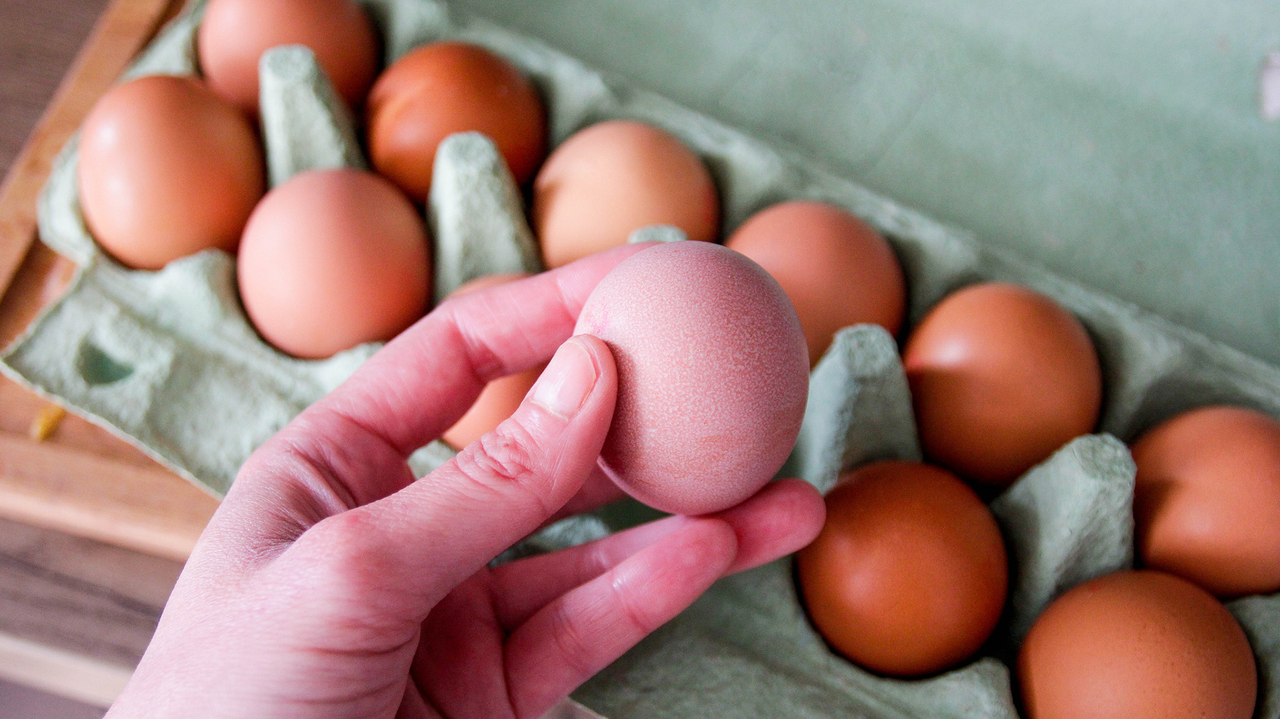
The first of the two outbreaks led to a recall of white shell eggs and brown, cage-free shell eggs sold by Midwest Poultry Services with best-by dates between July 20 and Aug. 17. The recalled eggs — sold under the brand names Country Morning, Cal-Maine Sunups, Brookshire's, Simple Truth and Kroger — were shipped to Arkansas, Louisiana, Mississippi, New Mexico, Oklahoma and Texas.
According to the FDA, although Midwest Poultry Services was identified as a common egg source by the traceback investigation, this producer does not account for all of the illness in the outbreak. In fact, as of July 24, there have been 98 confirmed cases across 17 states, including 26 hospitalizations and no deaths. Investigations to determine if there are other illness sources ongoing.
A second Salmonella outbreak has been tied to fresh jalapeños from the Mexican state of Sinaloa. These were sent by Coast Citrus Distributors to food service companies, restaurants, distributors and wholesalers across the United States.
Taylor Fresh Foods has issued a recall for multiple products made with jalapeños with “Best If Used By” dates up to and including Aug. 16. These include products sold at Hannaford, Kroger, Stop and Shop and Hannaford, Target, Trader Joe’s, Walmart and Whole Foods stores.
The Food Safety and Inspection Service has also issued a public health alert for meat and poultry products containing jalapeños that may be contaminated with Salmonella. These include products sold at Albertsons, Dillons, Hannaford, H-E-B, Kroger, RaceTrac, Randalls, Tom Thumb, Walmart and Wawa stores.
This second outbreak has been linked to 345 confirmed cases of Salmonella across 27 states as of Aug. 10, with 36 hospitalizations and no deaths.
A color-enhanced scanning electron micrograph showing Salmonella typhimurium (red) invading cultured human cells. (Image credit: See page for author, Public domain, via Wikimedia Commons)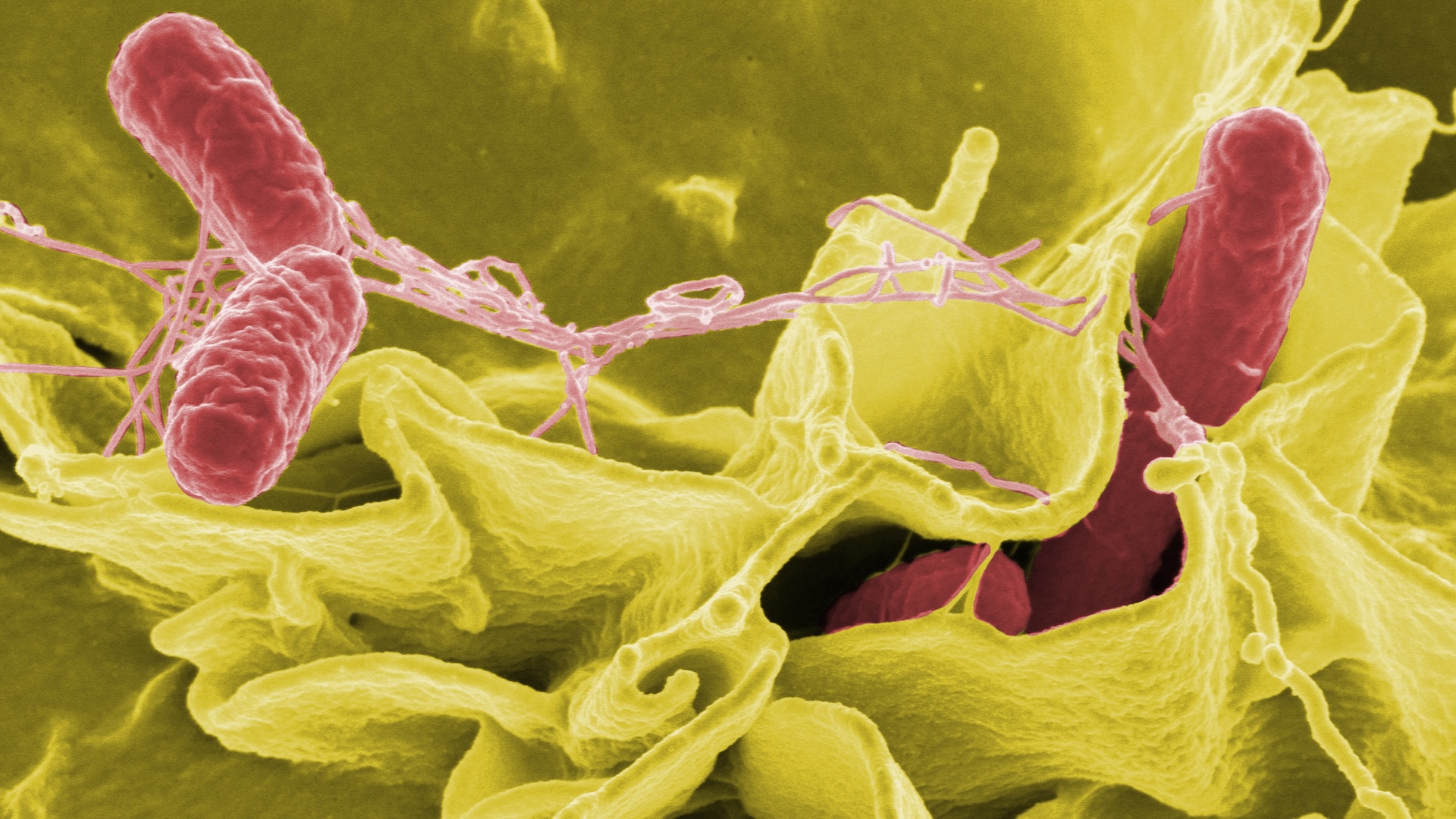
Are there more Salmonella cases than usual?
The number of Salmonella infections this year is not abnormal, according to Steier.
Last year, for example, an outbreak of Salmonella infections tied to eggs distributed by County Eggs LLC led to 105 cases across 14 states in August; June saw 134 cases across 10 states as the result of an outbreak linked to the August Egg Co.; and 21 people were infected by contaminated home deliveries from Metabolic Meals across 13 states.
Looking at the big picture, "ninety-eight cases tied to recalled shell eggs and 345 tied to jalapeños are unremarkable for a pathogen that causes something like 1.35 million infections in this country every year," Steier said.
Salmonella may be getting more attention than usual, she added, "because Cyclospora has everyone on high alert."
Dr. Zoe Weiss, a clinical microbiologist at Tufts Medical Center in Boston, added that COVID-19 pandemic may have also had a lasting effect on people's reactions to infectious disease.
"The average person is just more aware of infectious diseases and has a more sophisticated understanding of disease spread," she said.
How can consumers stay safe?
The key thing for consumers to do is to keep checking the relevant product recall lists, such as those for lettuce, eggs and jalapeños, and not eat any of the recalled products.
Related stories- Here Are Some of the Most Common Causes of Food Poisoning
- How does E. coli get into food?
- New report details one of the biggest raw milk-related outbreaks in recent US history
Cyclospora is only really eliminated by cooking, and cannot be rinsed off lettuce. When it comes to Salmonella, Steier stresses that recalled eggs should be thrown out or returned, not “cooked more carefully.”
"Please don't panic — and please don't come away thinking you need to avoid lettuce or other produce beyond what has been recalled," she added, noting that the recalls related to specific products and not, for example, lettuce in general.
"What worries me is the collateral damage," she added. "Product sales have taken a hit, lettuce especially, and most Americans were not eating enough vegetables to begin with. Swearing off produce is a real cost to your health in exchange for protection you’re not actually getting."