 Image source, National Trust/PAImage caption,
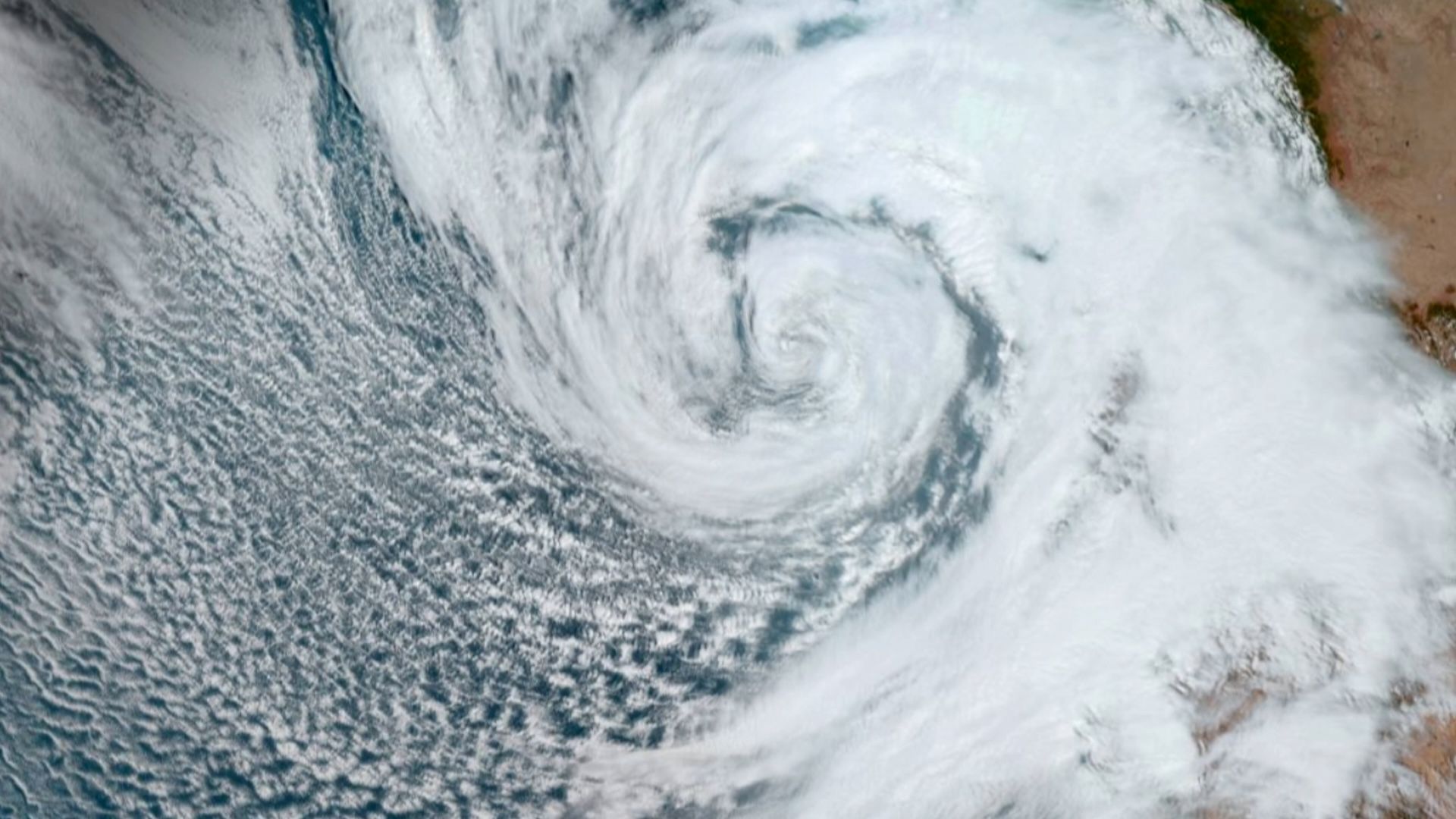
 Many species are struggling to cope in what has been the UK's hottest-ever summer
ByMaisie Lillywhite and James Diamond, West of England- PublishedJust now
Scientists hope to prevent the extinction of some rare species by trying to understand their changing needs, as the UK nears the end of its hottest-ever summer.
Using money from Natural England and the Crown Estate, the Royal Entomological Society is working with other groups to update conservation guidance for grassland sites in Gloucestershire, Somerset and Wiltshire to study our changing climate.
"Urgent adaptations are needed to mitigate the effects of successive heatwaves on plants and the insects that rely on them to thrive," the society said.
It comes as elsewhere, wetlands created at the National Trust's Holnicote Estate have helped to store water, reduce flooding, and boost wildlife.
More from Gloucestershire
Cricketers banned over 'irresponsible' fireworks
- Published13 hours ago
Victim 'living in fear' after photos shared online
- Published12 hours ago
Thousands of pupils across West get GCSE results
- Published15 hours ago
The society said climate change has accelerated dramatically since some of the current habitat management guidance was written.
The six species at the centre of the project are found in lowland chalk grassland, an internationally rare habitat. They are the large blue butterfly, the Duke of Burgundy butterfly, the marsh fritillary butterfly, the wart-biter cricket, juniper and the burnt-tip orchid.
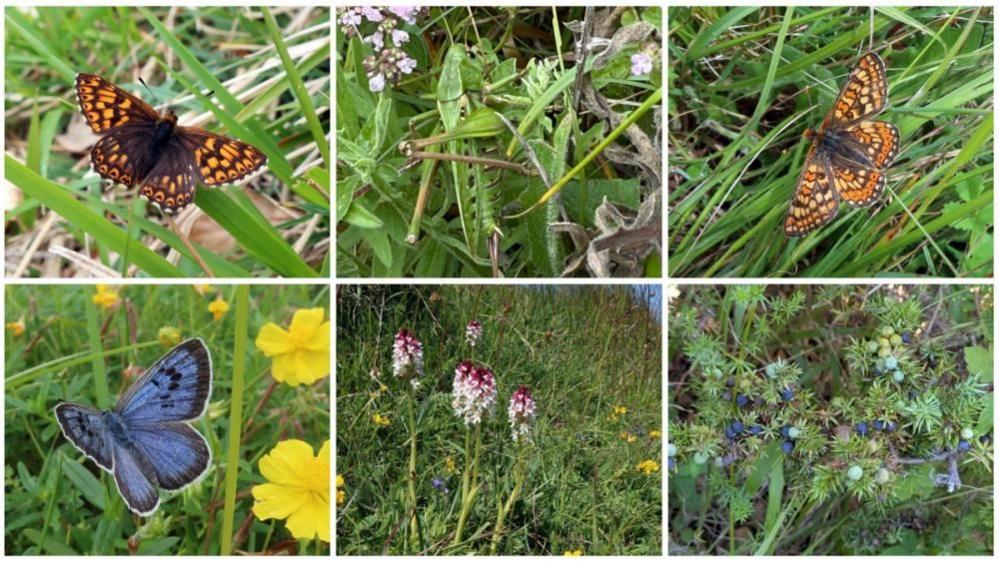 Image source, Royal Entomological SocietyImage caption,
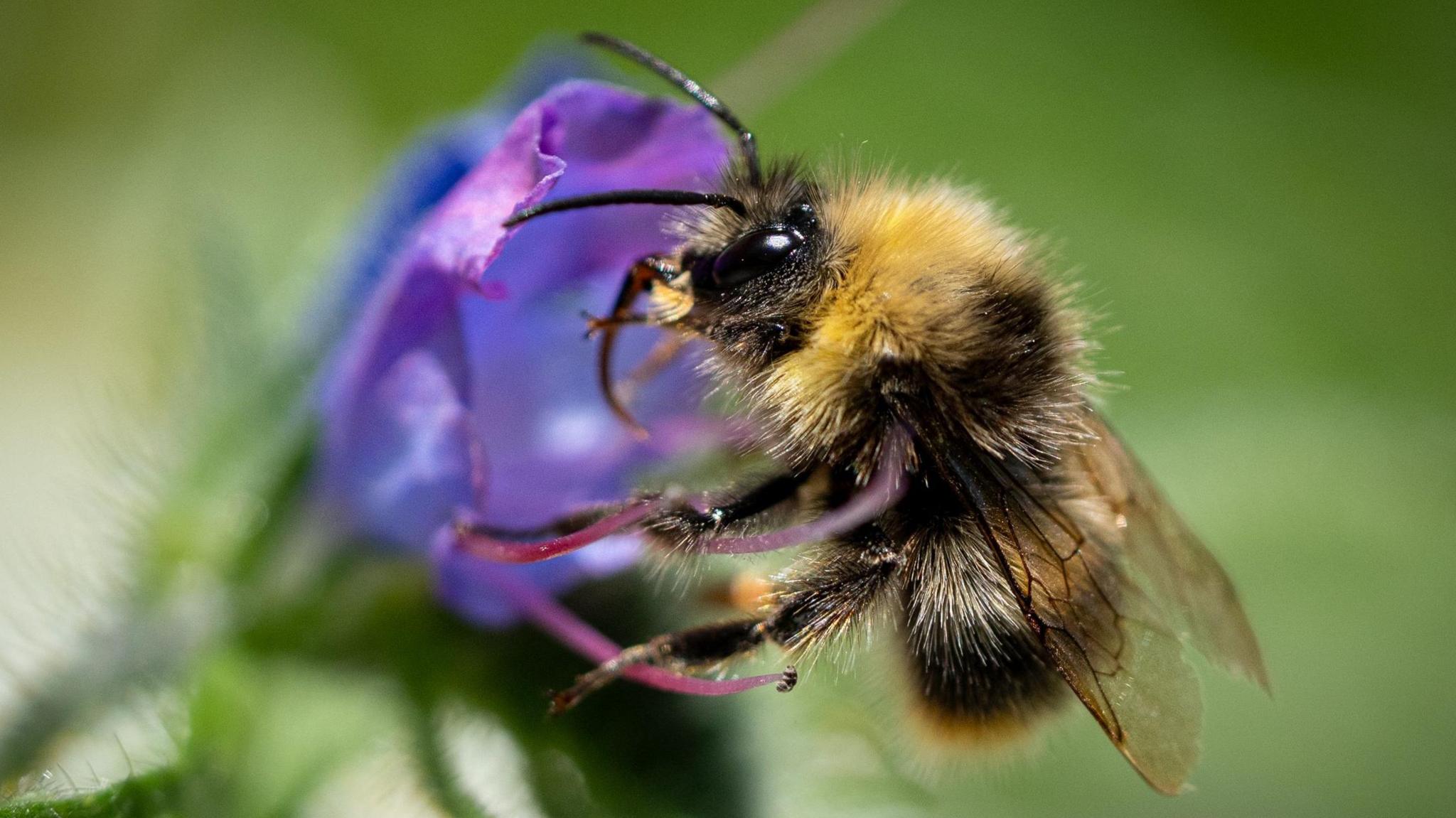
 The project hopes to establish how six species are coping and prevent their extinction
David Simcox FRES, Conservation Project Manager at the Royal Entomological Society, said: "As many of us cope with another spell of extreme weather, it's easy to forget that our wildlife is experiencing exactly the same pressures.
"Some of the habitat management guidance we still rely on was written over 20 years ago and our understanding - and the rate of climate change - has moved on enormously since then.
"By combining decades of long-term research with new science, this project will help us understand how six key endangered species are responding to a changing climate and provide practical guidance to support their recovery."
'Devastating' heatwaves
This year is the first on record when 35C (95F) has been reached in three different calendar months. It was also the driest July in England and Wales since records began 190 years ago.
Stuart McCarthy-Thompson, who works at the Avon Wildlife Trust, said the impact has been "devastating".
"Plants are desiccated, the grassland is pretty much gone and there's been a lot of soil erosion as well. We're also seeing a lot of trees that are quite stressed - losing leaves and their fruit."
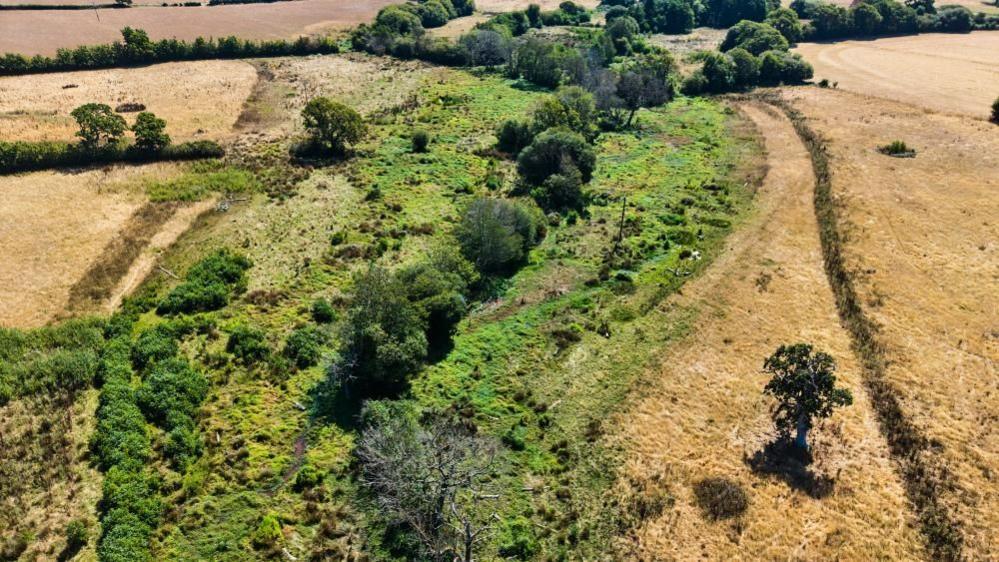 Image source, The National Trust/PAImage caption,
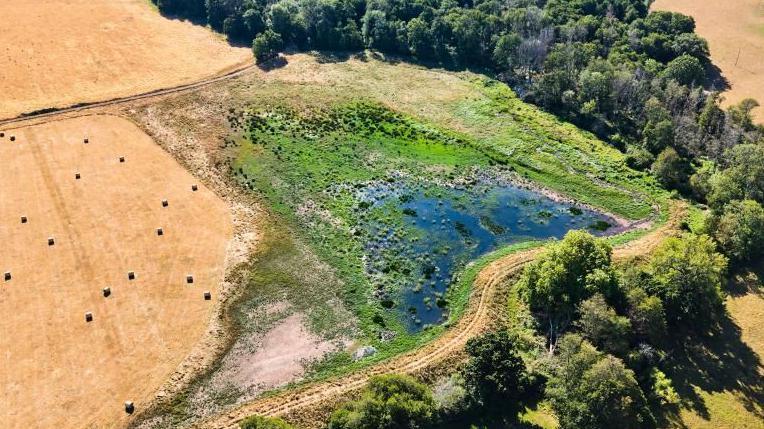
 Beavers have helped part of the Holnicote Estate remain green and lush, despite this summer's drought
One success story however comes from the Holnicote Estate in Somerset, where the introduction of beavers to create wetlands has helped the area remain green and lush despite this summer's drought.
The National Trust said the scheme showed the value of "nature-based solutions", in which natural features such as rivers connected with floodplains and wildlife including beavers are used to deliver benefits for landscapes and people.
Ben Eardley, project manager at Holnicote, said: "For generations as a nation we've drained wetlands, straightened rivers and moved water off the land as quickly as possible.
"Here we've reversed that approach, and the results are remarkable."
Updating the conservation guidance is one of 130 projects being funded through Natural England's £60m Species Recovery Programme, as part of the Wild Again: Restoring England's Wildlife initiative, the largest-ever UK government investment in wildlife recovery.
Get in touch
Tell us which stories we should cover in Gloucestershire
Contact formContact formFollow BBC Gloucestershire on Facebook, external, X, external and Instagram, external. Send your story ideas to us on email or via WhatsApp on 0800 313 4630.
Related topics
How will the heatwaves affect nature in the West?
- Published2 days ago
Bumblebees are struggling in UK heatwaves - but you can help them
- Published21 July