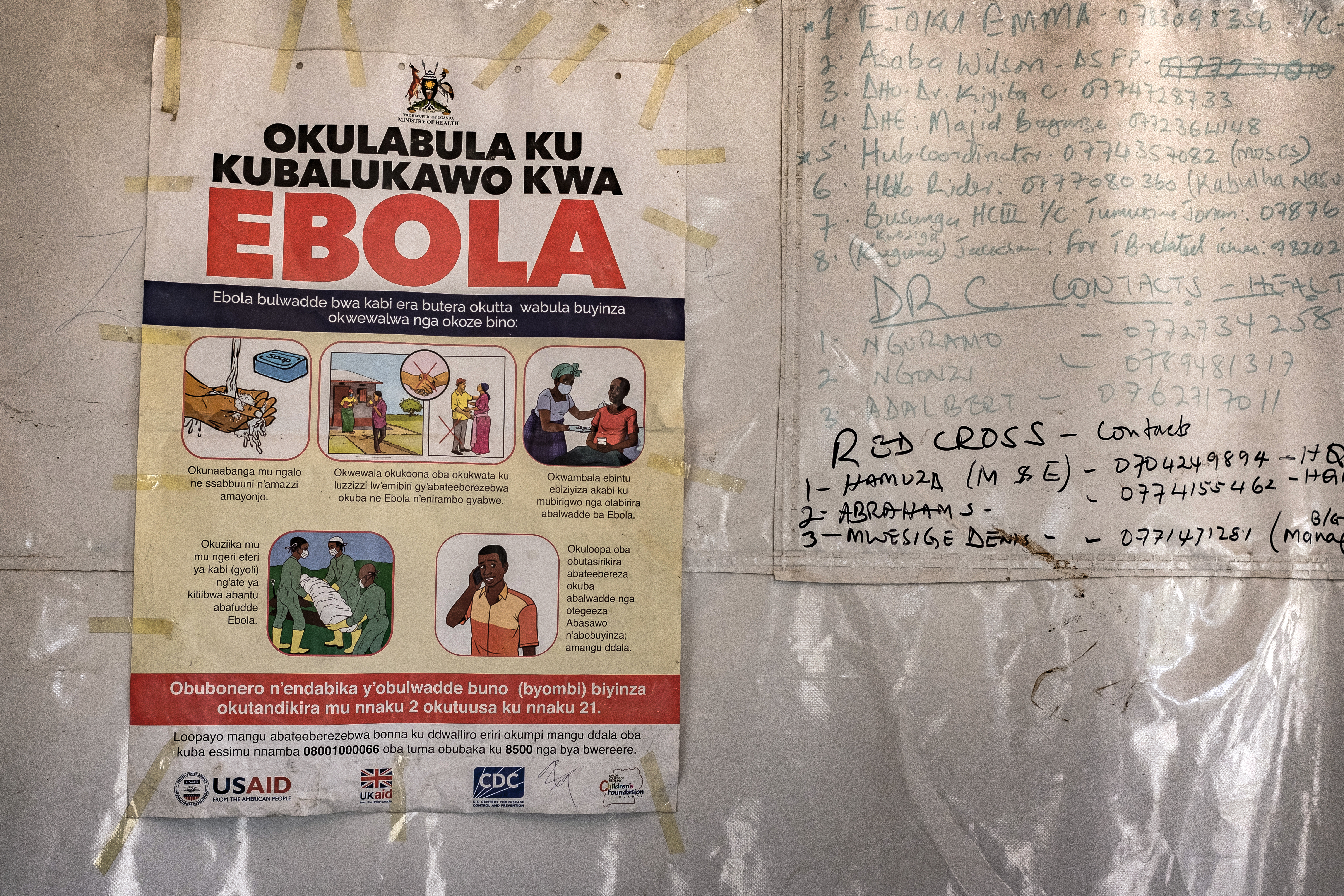
The Ebola outbreak first reported in the Democratic Republic of the Congo on Friday has seemingly escalated quickly into a large, uncontrolled multinational outbreak.
As of May 17, there were 10 confirmed cases, 336 suspected cases, and 88 deaths in the DRC, as well as two confirmed cases and one death in neighboring Uganda, according to the latest data from the US Centers for Disease Control and Prevention, which has offices in the region. The numbers already put the outbreak within the top 10 Ebola outbreaks recorded by size, though still far from the worst—the 2014–2016 West African outbreak had over 28,000 cases and 11,000 deaths.
International emergency
On Sunday, the World Health Organization declared the outbreak a public health emergency of international concern (PHEIC), though it noted that it does not meet the criteria for a pandemic emergency. In making the PHEIC determination, WHO Director-General Tedros Adhanom Ghebreyesus cited several factors in addition to the immediate large size, including clusters of suspected cases and deaths in multiple DRC health zones, four deaths among healthcare workers, and a lack of apparent links between geographically distant cases and clusters. The features collectively suggest that the outbreak is larger than what is currently being detected and is spreading regionally.