College football power brokers say the White House order reads more like a wish list than enforceable change
 By Chris Hummer Apr 7, 2026 at 2:11 pm ET • 4 min read
  Getty Images
 When the White House issued an executive order last week to "Save College Sports," one SEC general manager couldn't help but laugh.
A few of his coaches called asking what the order meant. The coaches wanted to know what changed. The answer, at least for now, is not much -- unless Congress acts or courts uphold it.
"It's just going to lead to more lawsuits and BS," the GM said. "It changes absolutely nothing to me. The coaches were like, 'What do you mean, it's an executive order?' "But it doesn't do anything. The most powerful man in the world issues something and you're like, whatever. That's what this sport has become."
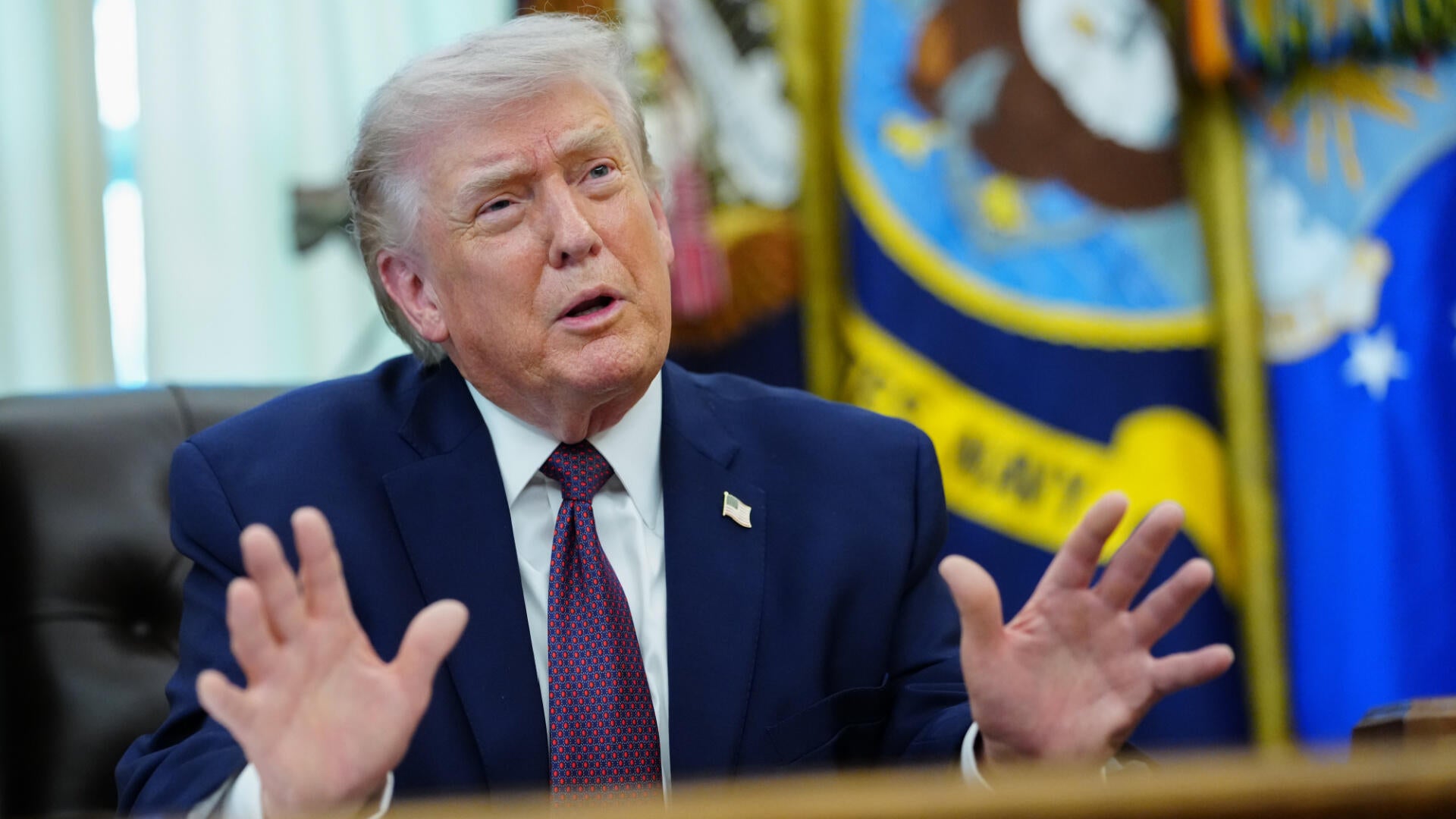
President Donald Trump issued an executive order Friday that directs federal agencies to improve collegiate rules related to transferring, eligibility and pay-for-play while threatening schools that the government would strip them of federal grants and contracts if they don't comply with NCAA rules. An executive order can steer federal agencies, but it doesn't rewrite NCAA bylaws or instantly create new federal law
Among the highlights of the order, which would take effect Aug. 1, are:
- Implementing a five-for-five eligibility model in which athletes have five years to play five seasons.
- Moving back to the old NCAA rules that limited players to a single transfer without penalty as underclassmen. If a player obtains a four-year degree, they'd be potentially granted an additional transfer.
Those would be monumental changes in the college sports landscape, which has become increasingly unrestrained amid a barrage of eligibility lawsuits and the NCAA's inability to enforce its own rules surrounding pay-for-play. The last few years have seen rosters swell from around $10 million on the high-end to $40 million-plus.
Asked if he thought the order would change anything in college football, one Big 12 GM said: "God, I hope so."
Hope is abundant.
Optimism, though, is in short supply.
Reaching out to sources across the sport, most were highly dubious that the executive order would hold up against legal challenges. The one-time transfer exemption has already been rejected by the courts -- to the point that the NCAA changed its rules as a result -- and limited eligibility continues to be challenged nationwide. Ole Miss quarterback Trinidad Chambliss is the most recent high-profile example of a player who bucked the NCAA's rules through successful litigation for a sixth season of eligibility.
"It's a lot like everything else, what are the legal ramifications going to be," one Big Ten GM said. "Will things actually stick and work? Or will it all fade away like some of the other guidelines and rules that have been recommended."
That's another key point of this order; it's more recommendation than law.
What the executive order can (and can't) do
CategoryWhat it can doWhat it can't doExecutive order impactDirect federal agenciesRewrite NCAA bylaws overnightEnforcement + signalSignal enforcement prioritiesOverride state lawsPolitics + processPush Congress toward legislationPrevent litigation by itselfThere's an awareness in college athletics that aspects of the order are likely to be struck down when challenged in court. Some state laws are also in direct conflict with the order, and an executive order can't override existing state or federal laws.
"I'm hopeful all this keeps chipping away at the barriers to create some structure," another SEC GM said. "I've got no optimism that we're anywhere close. It doesn't feel like the EO did anything to cut into that. I'm still operating as if this is the Wild West."
Instead, it seems as if the president issued the order with hopes of spurring legislative action.
Trump and the NCAA are pushing to pass the "SCORE Act," a bill introduced in 2025 that was designed to establish federal standards for NIL while addressing other issues in college athletics. But passing the SCORE Act is expected to be difficult given that it would require 60 votes in the Senate, including seven votes from the minority Democratic Party in a political landscape that rarely finds bipartisan consensus.
Trump also recently established five committees on college sports, tasking the groups to tackle issues from rules to media and NCAA reform.
Plenty who work in football found Trump's ideas interesting. One Big 12 general manager felt the one-time transfer would create an advantage because if you get a bargain from a smaller school, they're forced to stay on your roster and have little leverage in future negotiations without the ability to leave. But largely, it was status quo. The compliance staff at one Group of Six school sent its coaches a message saying: "At this point, no NCAA rules have changed. "While I don't have a Crystal Ball, I don't anticipate rules changing in the near future."
As for rules that could change, several sources were frustrated with the NCAA's unwillingness to consider collective bargaining as a solution to the sport's current problems.
The NCAA has spent millions lobbying in Washington D.C. with little traction toward a bill being passed that would offer college athletics an antitrust exemption. Collective bargaining is a mechanism that would give players agency and allow the sport's leaders to set enforceable rules.
"The fact they're dragging their feet on collective bargaining is maddening," the second SEC GM said.
"Let's just do what works for everyone else -- collective bargain -- and move on for the rest of our lives," the first SEC GM said.
The ultimate result of Trump's executive order will become clearer as the calendar creeps closer to August. Congress will continue to meet about college athletics. Lawsuits will be planned. Schools will worry about their funding being stripped. But until a law is actually passed, it's just more of the same.
"I'll believe all this s*** when I see it," a Big Ten GM said. "It's just paper. Show me an actual law. The only rules I know right now are there are no rules."
Join the Conversation comments