 Image caption,
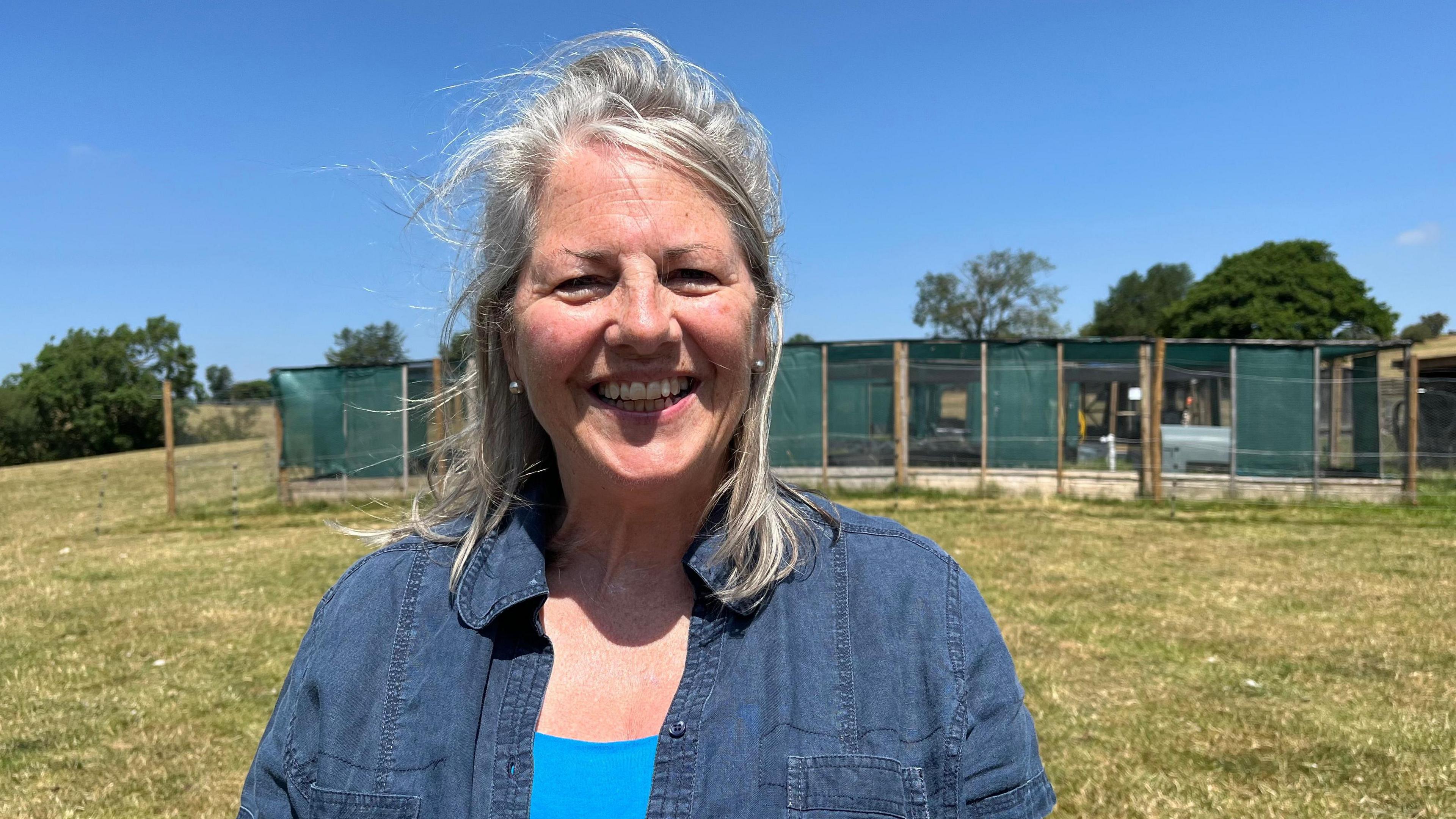
 Amanda Perkins said the project would help "stabilise" the local curlew numbers
ByEllen KnightReporting fromin the Shropshire Hills- Published53 minutes ago
Forty eight young curlews are being released back into their natural habitat as part of efforts to protect the species.
The Eurasian curlew is an iconic resident of the Shropshire Hills and the Welsh Marches, but declining numbers have seen the species added to the UK's Red List of highest conservation concern.
But non-profit organisation Curlew Country is hoping to improve the chances of Shropshire's curlews by making sure the young birds get the best possible start in life.
"[The project] has started to stabilise the population, but it's not the long-term solution," said Amanda Perkins, who leads the group.
The team have been "headstarting" the birds, Perkins explained, by taking in eggs from wild nests and incubating and raising them in specially-constructed pens.
"Our monitoring [...] showed that no chick survived to fledging from any of the nests we looked at," she said, adding that the team "needed a desperate measure to try and hold the situation".
Perkins described the process, which is licensed by Natural England, as "a sort of sticking plaster" that will work "until we can get better natural nesting in place".
"In the wild, these chicks aren't surviving," she said.
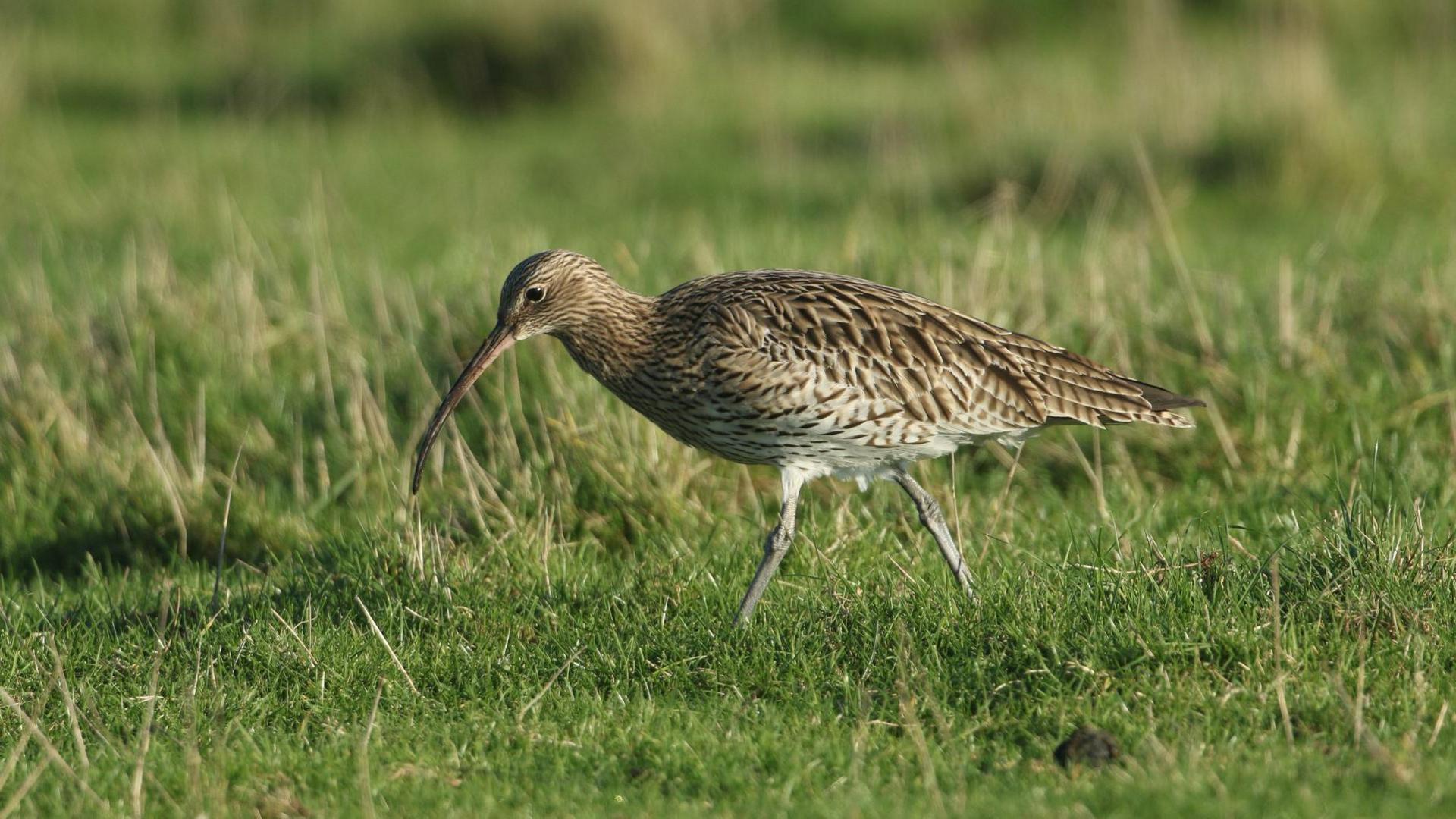 Image source, Getty ImagesImage caption,
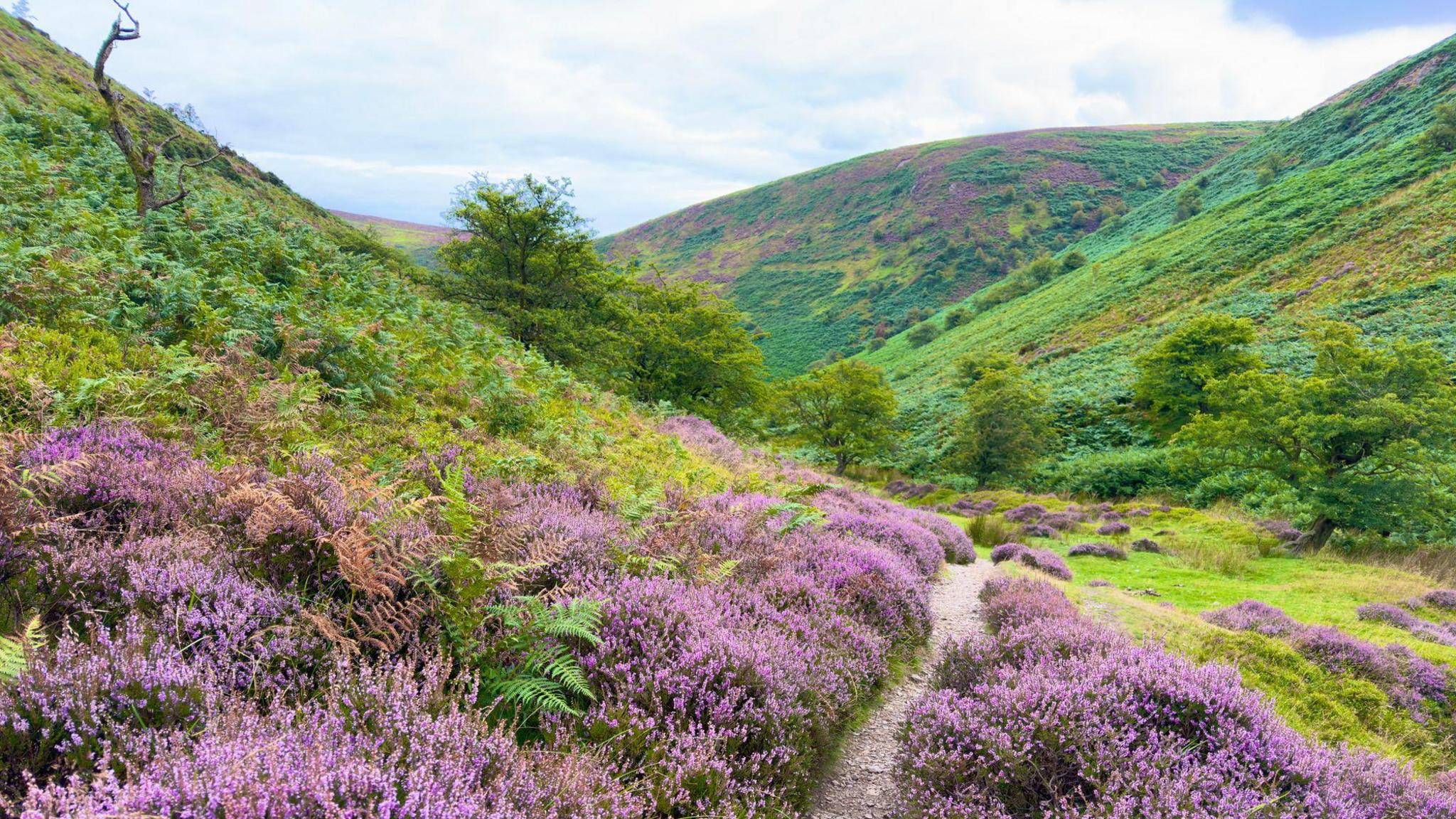
 Curlews like to spend their summers in grasslands like the Shropshire Hills
According to the RSPB, external, about 30% of western European curlews choose to breed in the UK. They are Europe's largest wading bird, and spend winters near coastlines and summers further inland on grasslands and moors.
As ground-nesting birds, their nests can be particularly open to damage.
"The major problem is predation," Perkins said, adding that curlews were "very vulnerable to disturbance" as birds preferring wide open spaces.
"These birds once would have been everywhere, they would have been widespread."
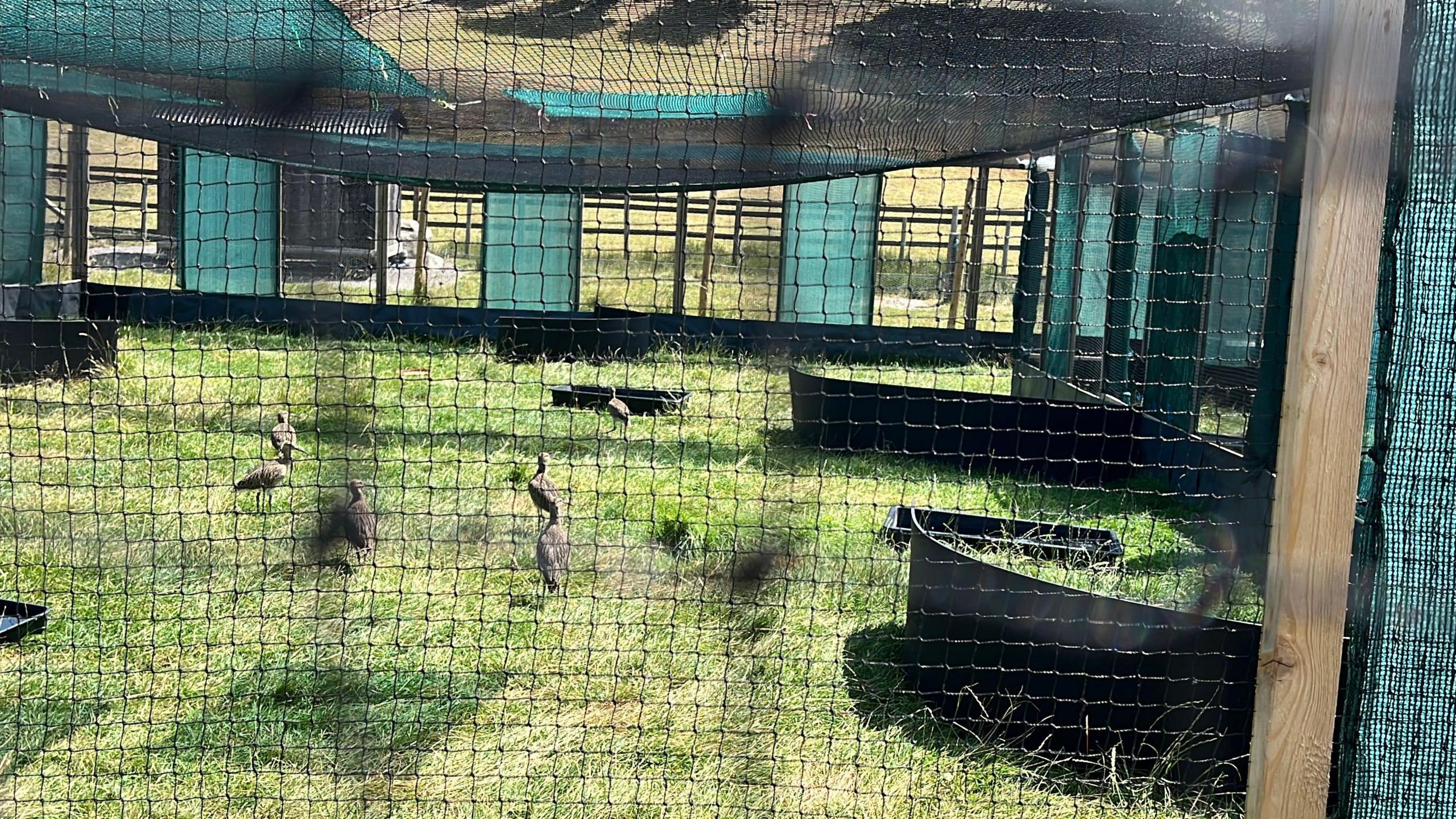 Image source, Ellen Knight/BBCImage caption,
 The young curlews are living in special pens before their release into the wild
The curlew is also listed in Shropshire's Local Nature Recovery Strategy as a species that needs particular help.
The scheme, led by Shropshire Council alongside Telford and Wrekin Council, sets out long-term goals to improve biodiversity and restore habitats, with input from stakeholders including farmers and local residents
Lynn Parker is the strategy co-ordinator, and said groups "really need to work together", otherwise "we really will see [curlews] go extinct".
The strategy focuses on "landscape scale connectivity", she explained, adding that "really good quality grasslands or wetlands" are exactly what the curlews need.
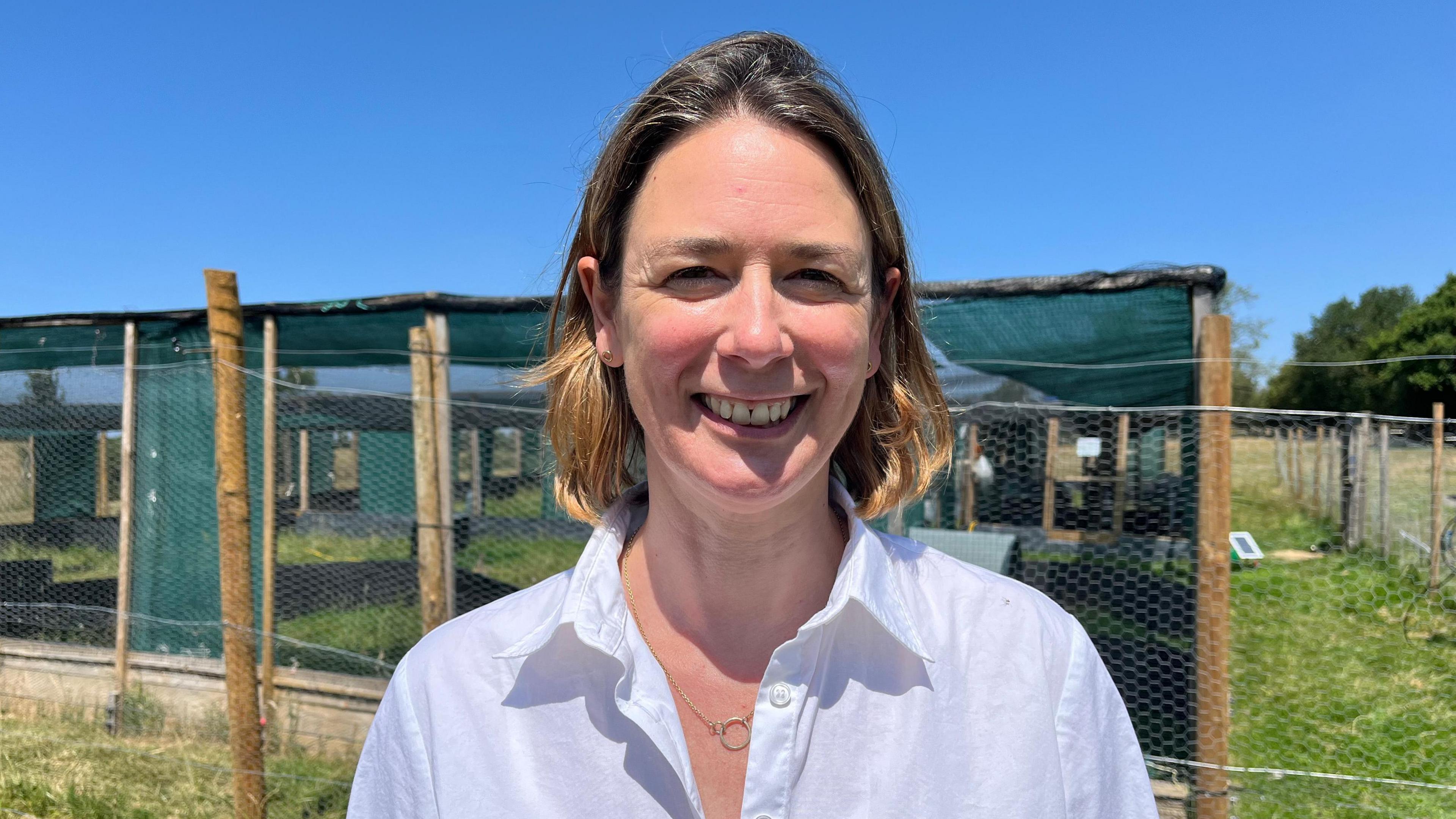 Image source, Ellen Knight/BBCImage caption,
 Lynn Parker said curlews were a "priority" for nature restoration in Shropshire
As curlews like to nest on farmland, Parker praised the farming community for being "really supportive" of conservation efforts.
"They let people know where nests are, fence them off sometimes, and work with volunteers," she said.
With curlews marked as a "priority species" on the county's nature restoration plan, Parker said that seeing them thrive "would be great, but survive is kind of what we're working on at the moment".
This year's release of chicks is one step further towards "a situation where we're not at risk of losing this really iconic species for Shropshire", she added.
Get in touch
Tell us which stories we should cover in Shropshire
Contact formContact formFollow BBC Shropshire on BBC Sounds, Facebook, external, X, external and Instagram, external.
Related topics
Tears and celebrations as river 'wiggle' restored
- Published1 July
'Our nature project has been amazing for wildlife'
- Published10 June
How do you restore the wild spaces in a corner of England?
- Published27 April