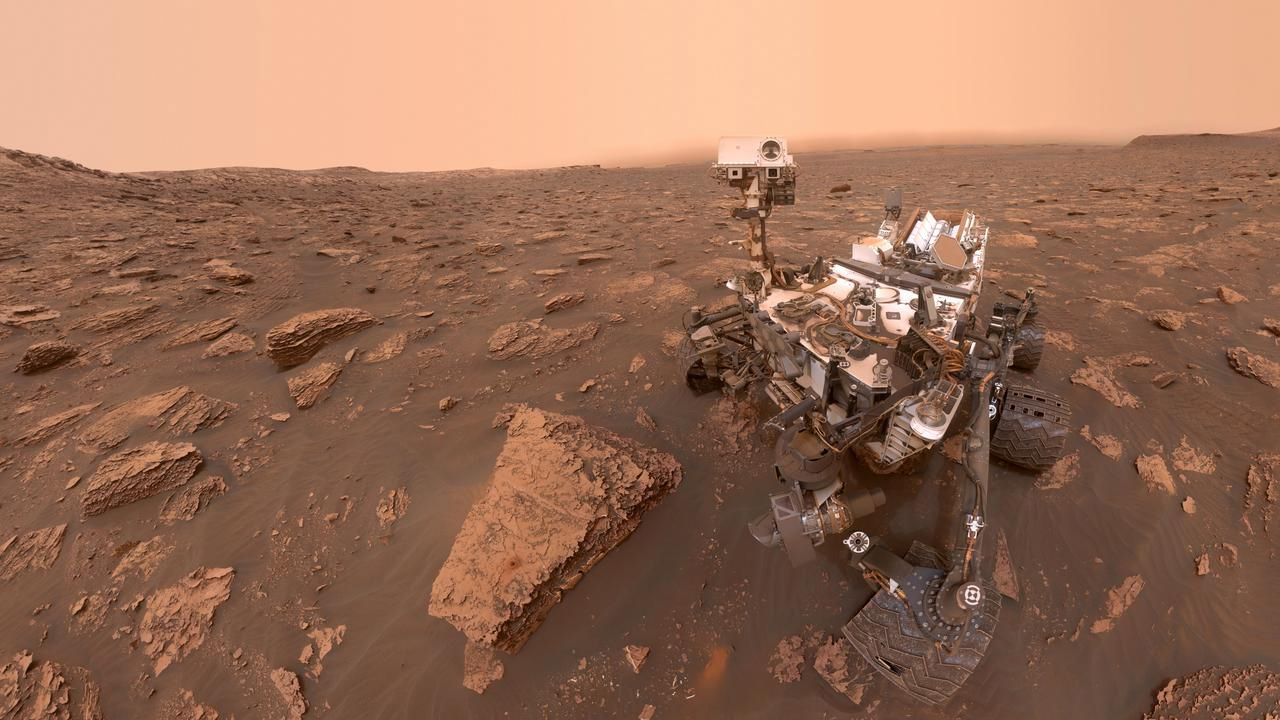
As of Aug. 30, 2026, NASA's Curiosity rover has officially seen the sun rise and set over Mars' reddish horizon more than 5,000 times in its quest to discover if life ever existed there. The rover was originally planned to operate for only two years, but the mission is still going strong more than 14 years after landing on Mars in August 2012.
During that time, the rover has weathered global dust storms and climbed more than 3,200 feet (1,000 meters) up a mountain — although its tires have gotten some rather large holes in them in the process. The rover still uses its 17 cameras to take hundreds of photos every single sol (Martian day), beaming a total of more than 780,000 photos back to Earth for scientists to analyze while mission controllers decide where the rover should roam next.
In honor of the intrepid rover's 5,000th day on the Red Planet, here are 10 of the most iconic photos Curiosity has snapped for Earthlings to admire.
Sol 548: Mount Sharp on the horizon
(Image credit: NASA/JPL-Caltech)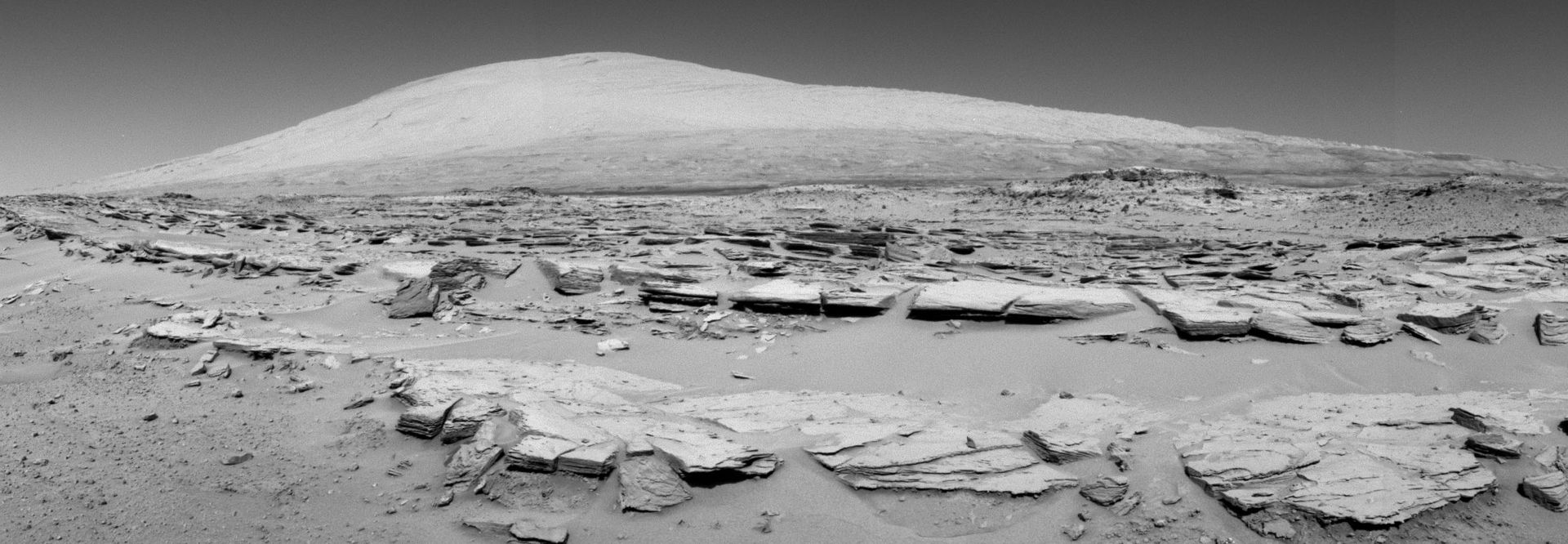
Curiosity snapped this photo of Mount Sharp on Feb. 19, 2014, about a year and a half after it landed on Mars. At the time, scientists were hopeful the rover could make it to the base of the 3.4-mile-high (5.5 kilometers high) mountain to explore interesting terrain previously seen from space. As the years passed, Curiosity more than surpassed that goal; the rover has climbed more than half a mile up into the mountain's foothills, traveling a total of more than 23.6 miles (38 km) from its landing spot, all while conducting important science along the way.
Sol 956: Blue skies on Mars
(Image credit: NASA/JPL-Caltech/MSSS/Texas A&M Univ)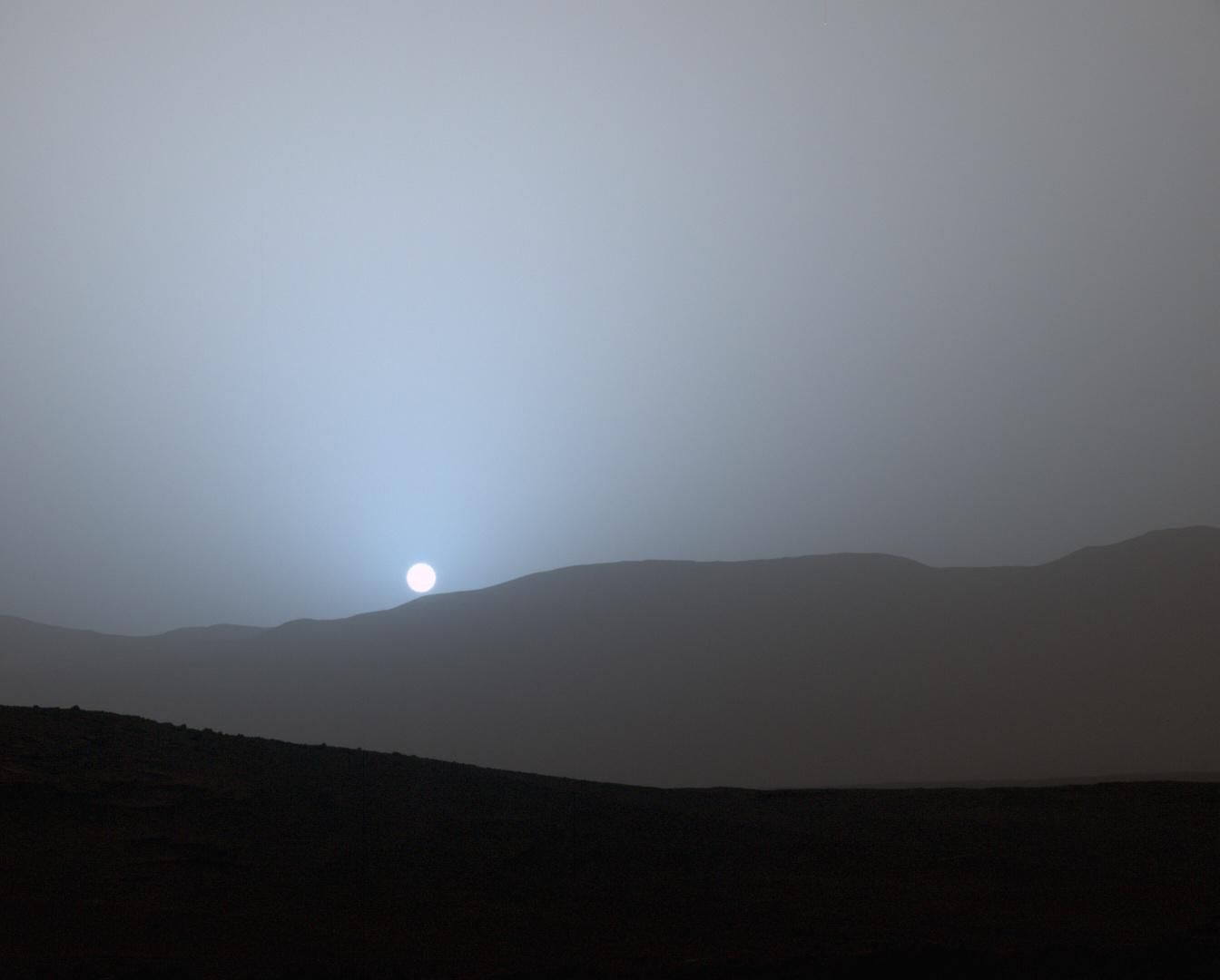
Curiosity took a photo of the Martian sunset in color for the first time on April 15, 2015, revealing a brilliant blue sky just before the sun dipped behind the shrouded mountains in the distance. The Martian sky is usually yellow to orange, according to NASA. Fine dust particles in the atmosphere scatter red and yellow light across the entire sky. However, the dust is just the right size for some blue light to slip past, so most of the light in the sky near the sun is blue. The effect is much more pronounced when the sun is low in the horizon.
Sol 1128: Curiosity Selfie at Namib Dune
(Image credit: NASA/JPL-Caltech/MSSS)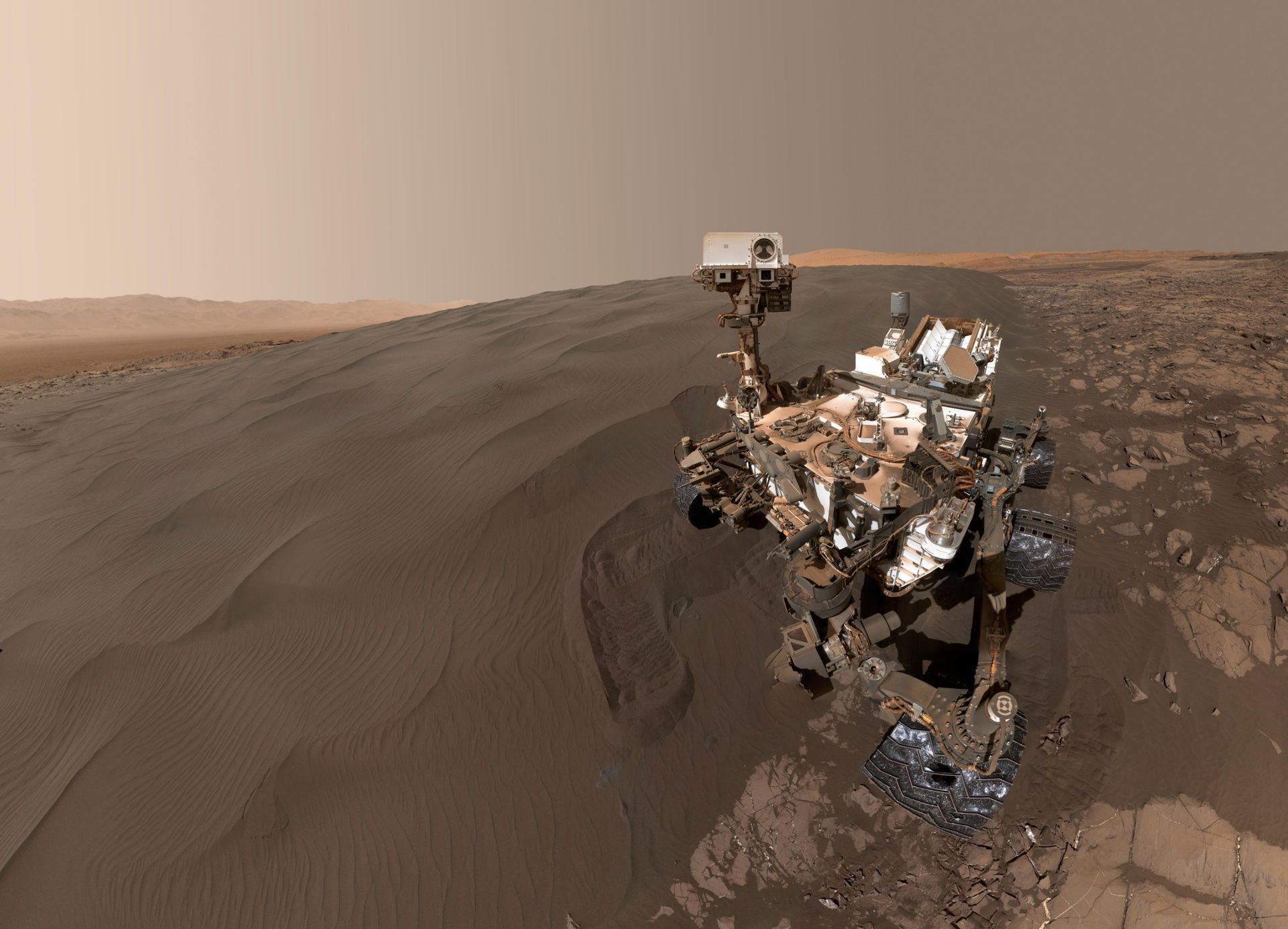
Curiosity has taken numerous selfies over the course of its mission, although the process is a bit more involved than holding up a camera and smiling. This selfie was made from 57 separate images taken on Jan. 19, 2016 using a camera attached to its robotic arm. Here, Curiosity is standing next to Namib Dune, one of the many dark sand dunes that make up the Bagnold Dune Field near Mount Sharp. Curiosity sampled the sand for analysis and scuffed the dune with its wheels so scientists could see how the sand moved.
Sol 1819: Curiosity leaves a thumbprint in the dust
(Image credit: NASA/JPL-Caltech/MSSS)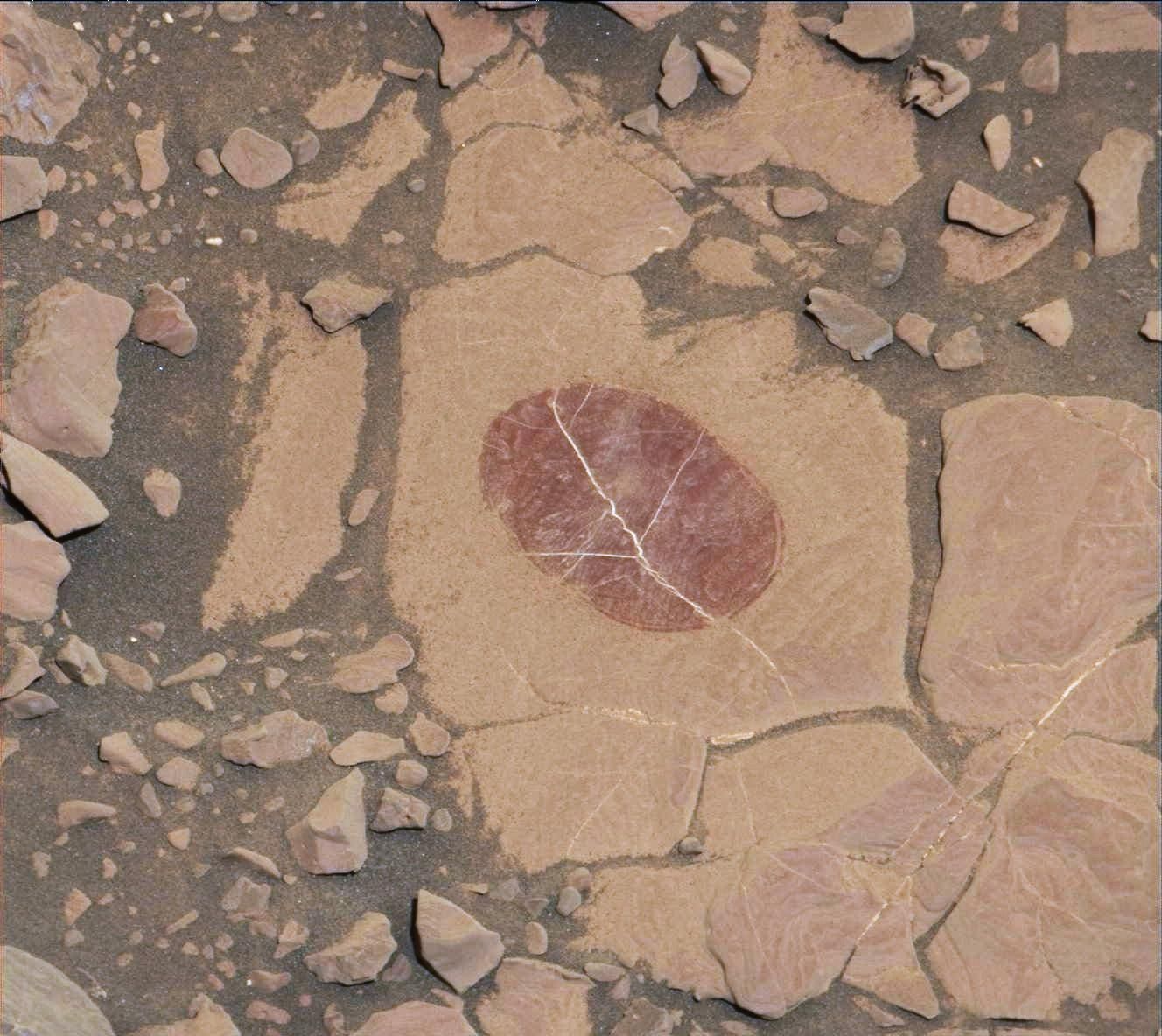
Mars is extremely dusty. The reddish dust gets swept into the atmosphere and cast across most of the planet's surface, making it difficult for scientists to figure out what materials are on the surface just by looking at them. On Sept. 17, 2017, Curiosity dusted off the surface of a rock at Vera Rubin Ridge and took a picture for geologists to compare to rocks on Earth. Based on the reddish purple color, geologists think this rock is fine-grained hematite split by fractures filled with calcium sulfate minerals. It hints that Mars might be a lot more colorful underneath its dusty blanket. Scientists have since discovered ruby-like materials embedded in Martian rocks.
Sol 3466: Totally not a door for aliens
(Image credit: NASA/JPL-Caltech/MSSS)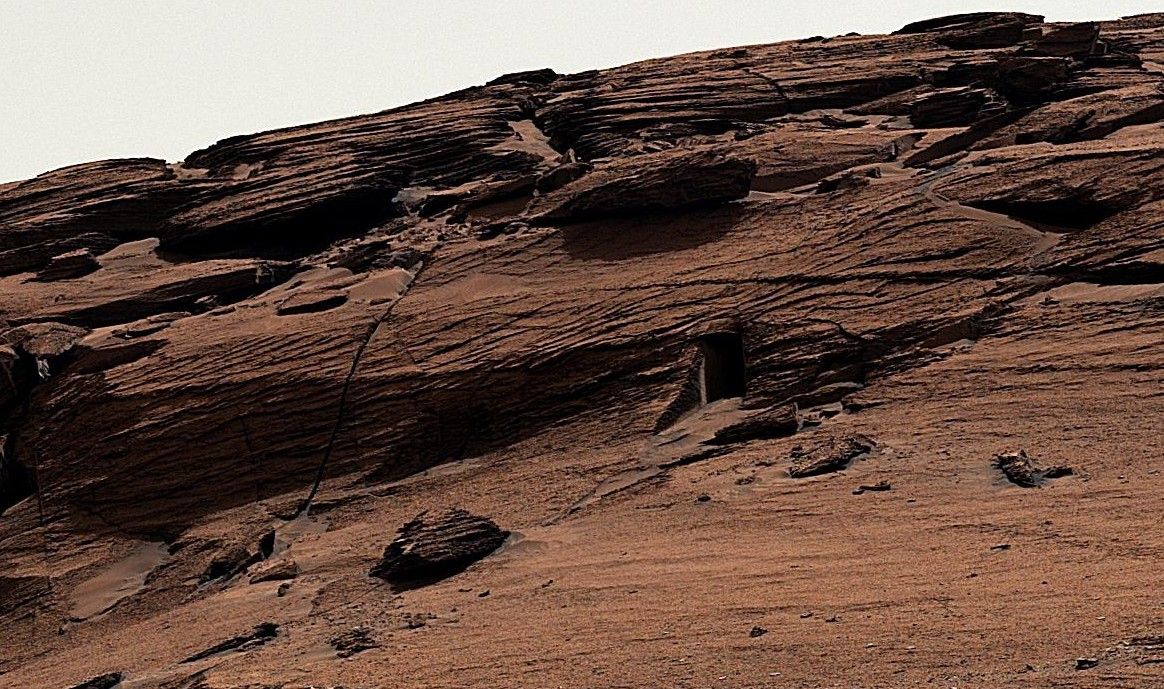
On May 7, 2022, Curiosity sent a curious photo back to Earth that appears to show a small door carved into the face of a cliff. It's hard not to imagine little green people entering it after taking their little green dogs for a stroll across the dusty landscape, but it's not actually a doorway for Martians. The 3-foot-tall opening's boxy shape is caused by vertical fractures intersecting with horizontal layers in the rock, according to NASA. The cliff is highly fractured, and a large chunk of rock that likely fell from the "doorway" is clearly visible nearby.
Sol 3724: Iridescent feather in the sky
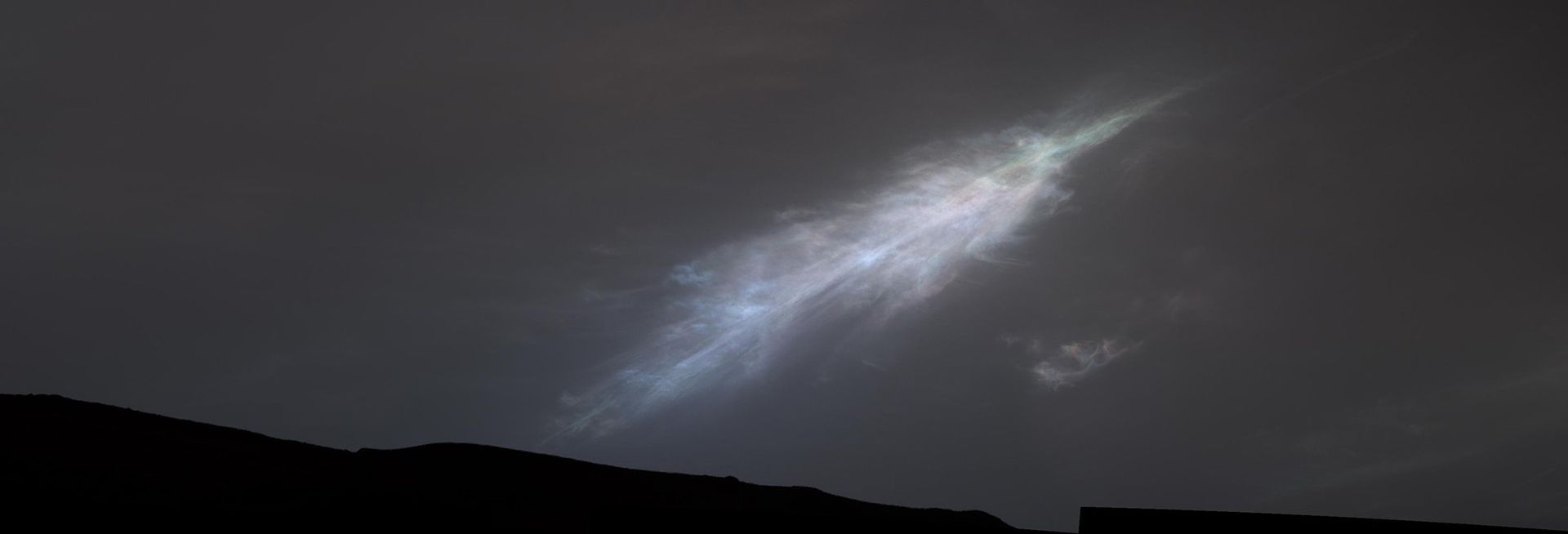
Just after the sun went down on Jan. 27, 2023, Curiosity took this photo of a noctilucent (night-shining) cloud that formed much higher in the Martian atmosphere than most other clouds do. Any clouds on Mars are rare, but this one is extra special. Since this cloud is so high up, it's much colder — making scientists think it's made of carbon dioxide (dry ice) instead of water ice. The iridescent colors in the cloud indicate the ice particles making up the cloud are all around the same size, which means the cloud likely just formed at the time of the photo.
Sol 3725: Curiosity finds "Cacao"
(Image credit: NASA/JPL-Caltech/MSSS)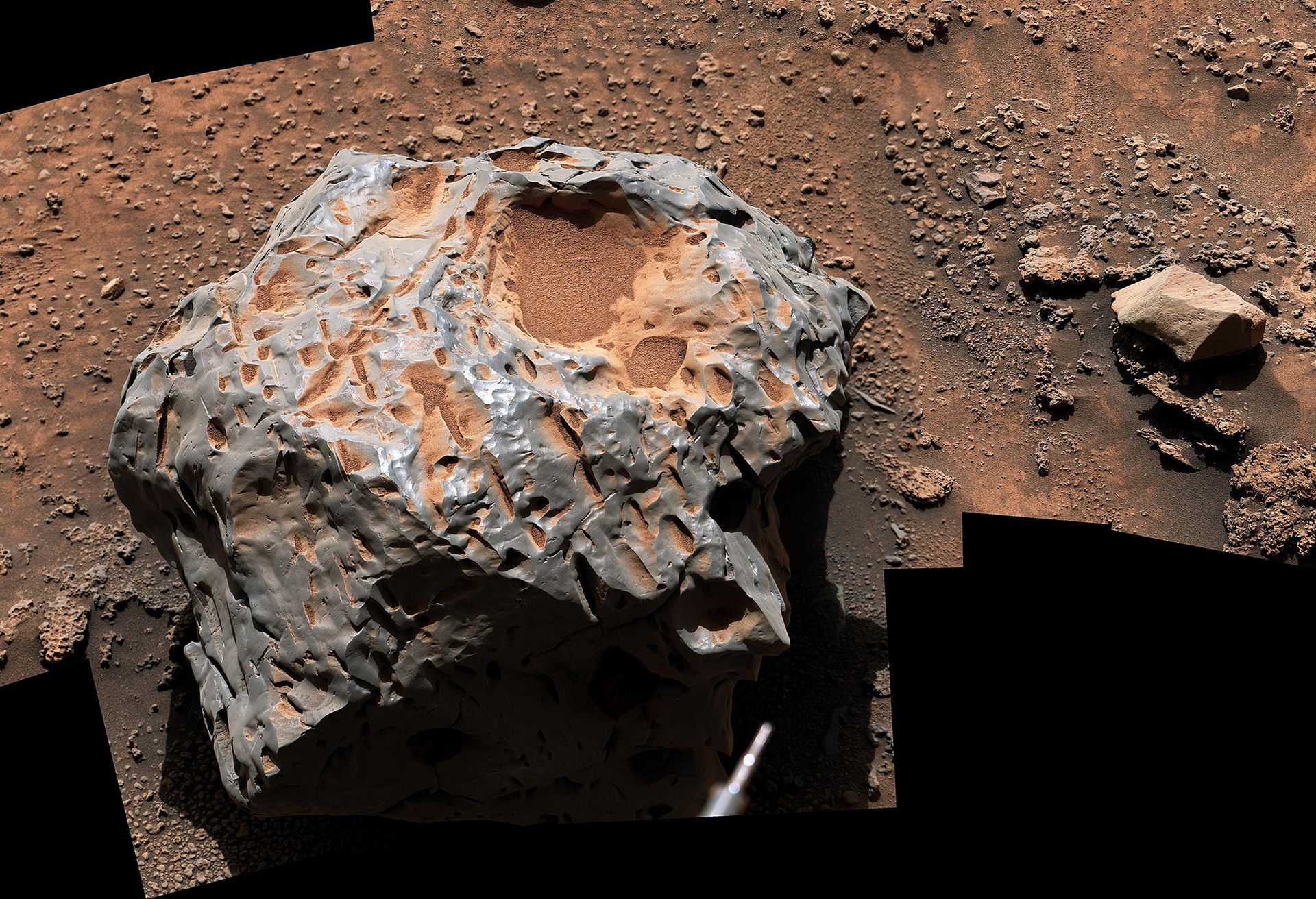
The very next day after cloud-gazing, on Jan. 28, 2023, Curiosity found an iron-nickel meteorite measuring about a foot across. The meteorite, nicknamed "Cacao," is one of a handful of meteorites Curiosity has photographed. The rover zapped part of the meteorite with a laser and measured the vapor released to identify what materials the rock was made of. Since Mars is cold and dry compared to Earth, meteorites last much longer on its surface than they do here, and they give clues about how the Martian atmosphere has changed over time. Large iron meteorites discovered on Mars indicate the planet once had a denser atmosphere than it does today.
Sol 4208: Elemental sulfur crystal surprise
(Image credit: NASA/JPL-Caltech/MSSS)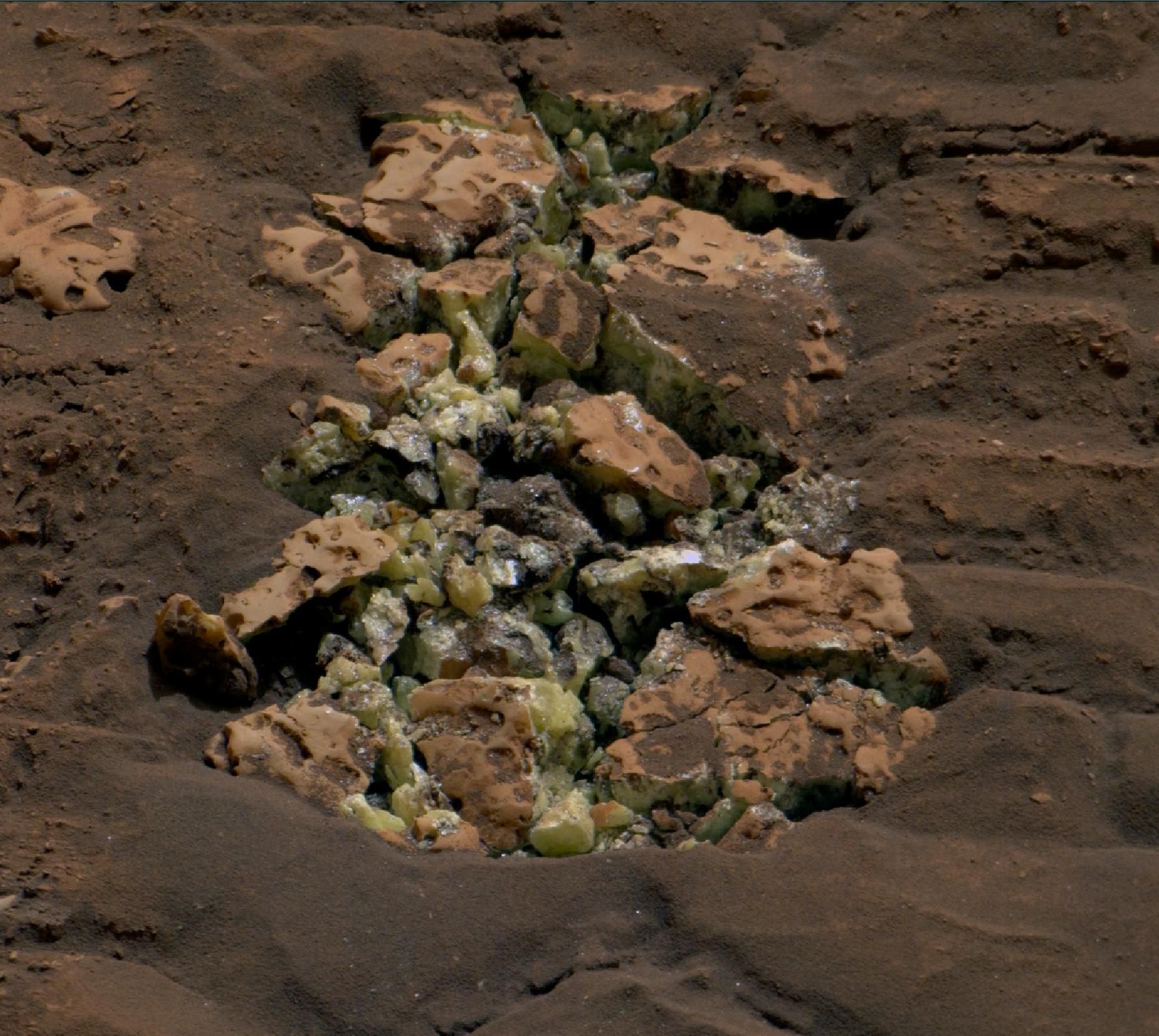
In June 2024, Curiosity unintentionally ran over a rock and crushed it, revealing a yellow, odorless surprise: rare crystals of elemental sulfur. While Mars has plenty of minerals that contain sulfur, like sulfate, this was the first time pure sulfur was found. The crystal fragments are about 5 inches (12.7 centimeters) across. On Earth, pure sulfur is formed from volcanic and hydrothermal activity, along with other geologic processes. It's not clear yet how these crystals formed on Mars.
Sol 182 - 4263: All 42 drill samples
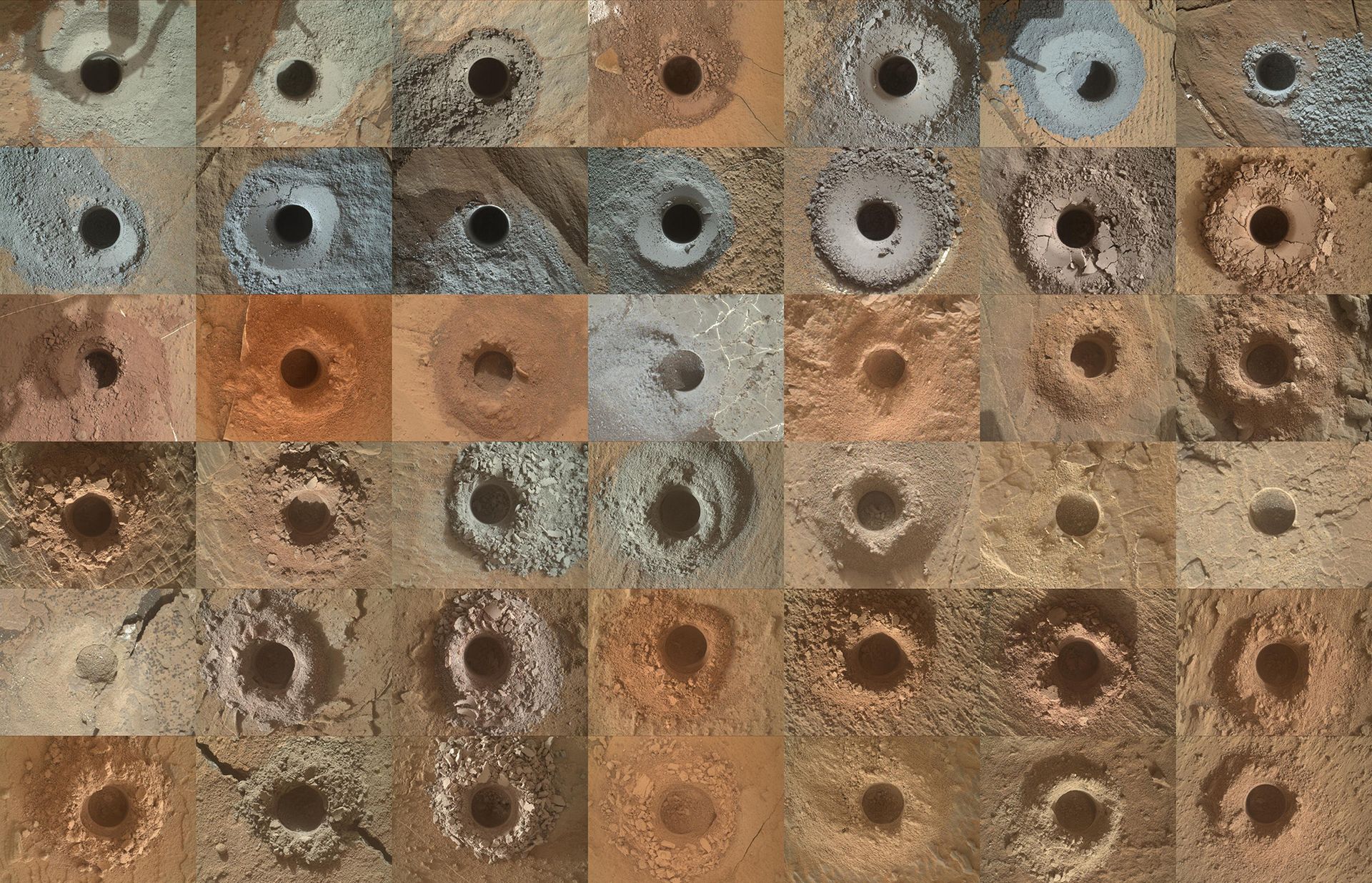
Curiosity has collected and analyzed 42 rock samples so far using a small drill attached to a robotic arm. The drill powders the rock so that the samples can be transported to Curiosity's science instruments, which measure their chemical composition. Each sample site is carefully chosen because the rover can only do a limited number of samples before it runs out of special sample cups. This mosaic image shows the impressive variety of materials that Curiosity has sunk its drill into.
Sol 4671: Exploring Martian spiderwebs
(Image credit: NASA/JPL-Caltech/MSSS)Related stories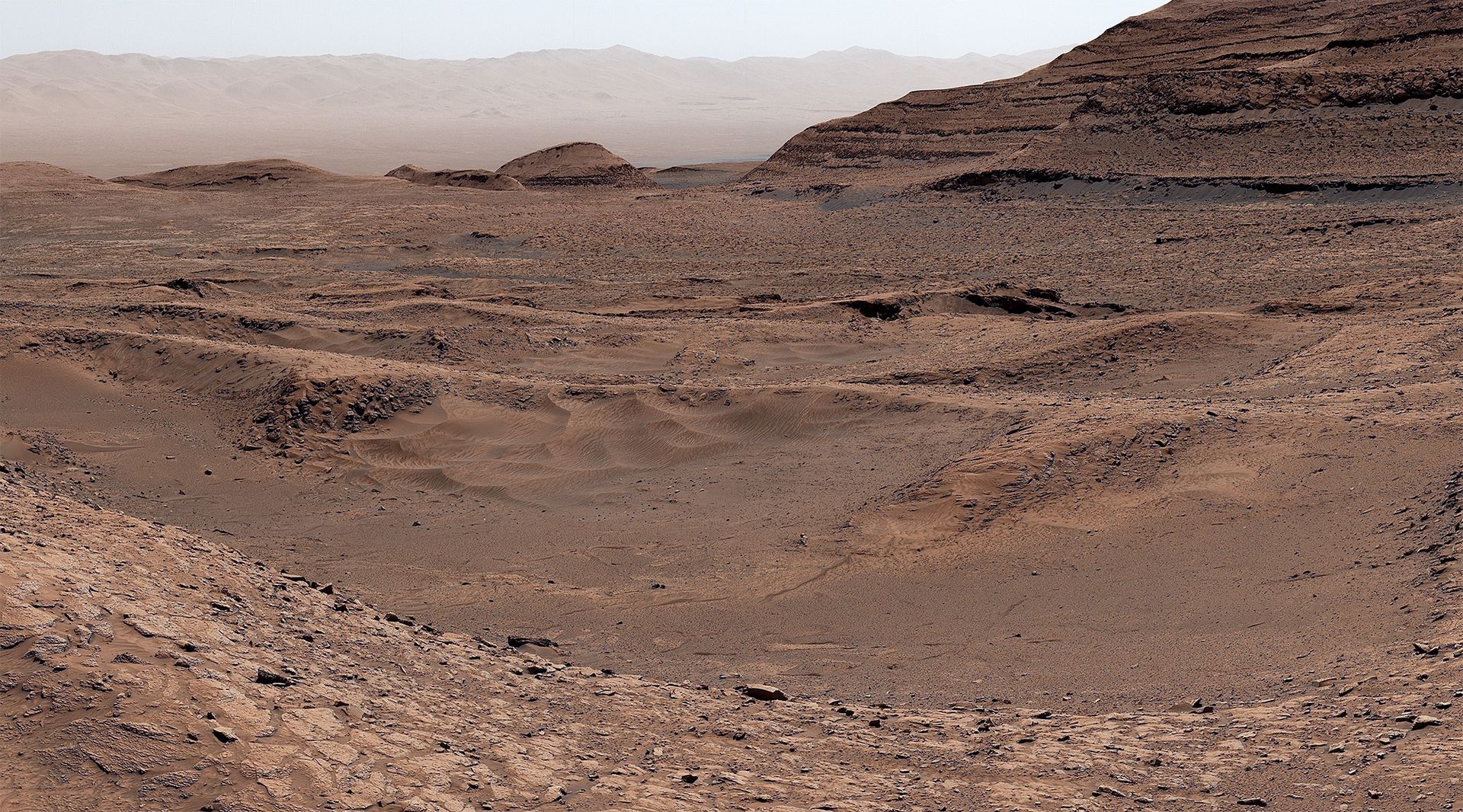
- New NASA images reveal giant hole in Curiosity rover's wheel after 12 years of 'abuse' on Mars
- NASA's Curiosity rover finds a surprising number of giant 'dragon scales' littered across Mars
- Curiosity rover finds largest carbon chains on Mars from 3.7 billion-year-old rock
Researchers have been intrigued by large geologic structures like stone "spiderwebs" on the Martian surface, previously seen by spacecraft orbiting the planet. Curiosity visited them on the ground, taking this picture of the low ridges and hollows, called boxwork, on Sept. 26, 2025. The ridges, made from hardened minerals deposited by water seeping into cracked rock, are what's left after billions of years of erosion wore away the softer rock around them.
Curiosity's journey continues today. After leaving the boxwork structures last March, the rover set off to explore more of the Martian landscape with its cameras as busy as ever, looking for more evidence that Mars once had the water and chemistry to possibly support ancient microbial life.
What do you know about the Red Planet? Test your knowledge with our Mars quiz!