Image source, Getty ImagesImage caption,
The North Pennines National Landscape aimed to mitigate climate change related flooding
ByPamela TickellNorth East and Cumbria- Published43 minutes ago
Climate change readiness and helping people access the countryside are among priorities in a five-year plan for a national landscape.
The North Pennines National Landscape Management Plan 2026-31 has been adopted by the Cumberland, Westmorland and Furness, County Durham and Northumberland councils.
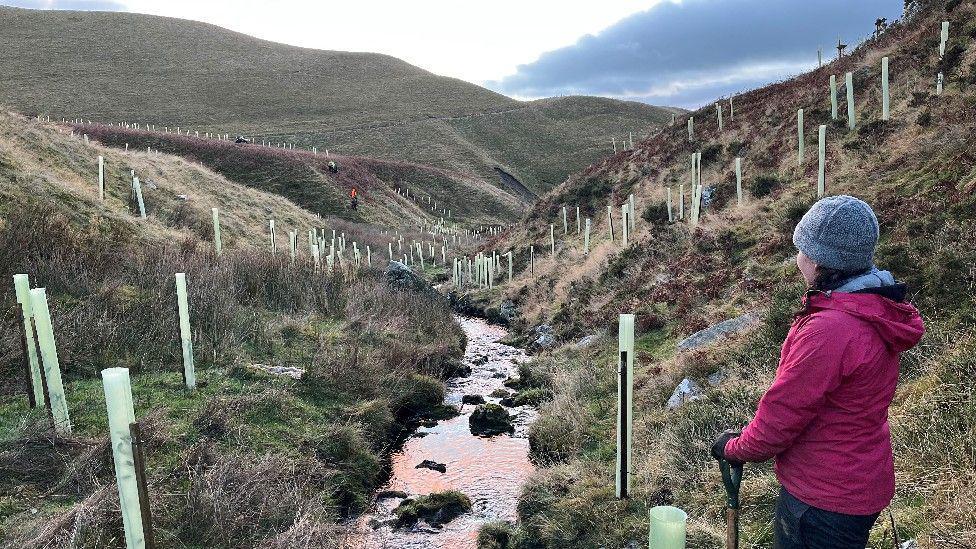
Work to ensure the North Pennines was "as prepared as possible for future climate challenges" included restoring peatland to help reduce flooding and equipping farmers with wildfire fighting equipment such as drones.
Chris Woodley-Stewart, director of the North Pennines National Landscape (NPNL), said: "In many ways, its the most ambitious plan that we've ever had, but also the most realistic."
National landscapes were formerly known as areas of outstanding natural beauty, and the North Pennines features heather moors, dales, woods and one of England's highest waterfalls High Force.
NPNL is mainly funded by the government and other charitable organisations.
One of the priorities in its management plan announced last month was adapting to "warmer, wetter winters and hotter, drier summers".
 Image source, Getty ImagesImage caption,
The area is home to High Force waterfall
NPNL said uplands were "especially vulnerable to the effects of climate change" through rising temperatures, altered rainfall patterns, and increased frequency of extreme weather events.
Mitigation work like protecting existing woodlands and restoring carbon-rich peat soils would help safeguard upland ecosystems but also support downstream communities by "improving water quality and reducing flooding", it said.
One of the area's largest land managers, Raby Estates, said it worked with NPNL on wildfire prevention measures including managing its farmers' fuel loads and providing firefighting equipment.
Duncan Peake, chief executive at Raby Estates, said drone equipment to help spot fires was a "really significant, additional tool in our wildfire control kit".
As part of the management plan, NPNL said it was would also work with farmers who wanted to get the skills and equipment for farm visits.
Peake said farmers on their estate were already taking groups of mostly young people "who wouldn't normally have an opportunity to come to the countryside" to help them understand how farming works.
Woodley-Stewart said: "You can't make people come to the countryside and invest in the local economy, but you can help to create circumstances in which they feel this landscape is for everybody."
He said the five-year plan would guide the policy of the local authorities but would not be compulsory.
"There's no stick here, it's all carrot," Woodley-Stewart said, adding: "Everyone has a role to play in its implementation."
Follow BBC North East on X, external and Facebook, external and BBC Cumbria on X, external and Facebook, external and both on Nextdoor and Instagram, external.
Get in touch
Do you have a story suggestion for BBC North East & Cumbria?
Contact formContact formRelated topics
Project aims to protect rare arctic-alpine plants
- Published22 October

Villagers asked to volunteer gardens for dig
- Published5 July

Thousands of trees planted in forest project
- Published15 May 2025