 Image source, Getty Images
- Published8 minutes ago
Bill Oddie, who has died at the age of 85, was one of Britain's best known comedians and naturalists.
A product of the Cambridge Footlights, the cradle of so much post-war British comedy, he shot to fame in the 1970s as a member of the anarchic Goodies.
Bird watching was a lifelong passion and he moved into presenting nature programmes, including the BBC's Springwatch.
But his life was plagued by bouts of acute depression which caused repeated admissions to psychiatric hospitals - where Oddie suffered from severe lithium poisoning as a result of his treatment.
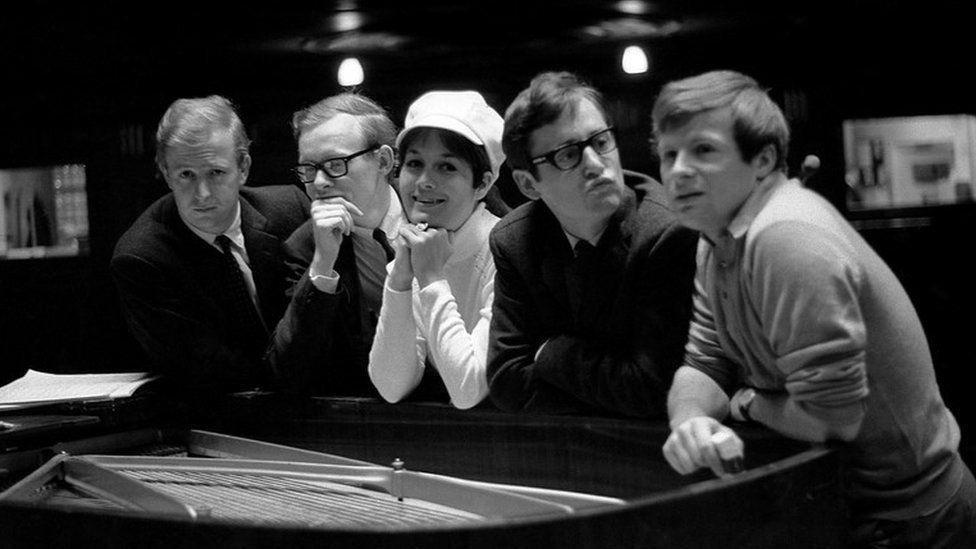 Image caption,
 A beardless Bill Oddie (R) with the cast of I'm Sorry I'll Read That Again in 1965
TV presenter and comedian Bill Oddie dies at 85
- Published27 minutes ago
William Edgar Oddie was born near Rochdale, Lancashire on 7 July 1941.
His ancestors on both sides were mill workers. However, his father Harry had made good, moved to Birmingham and worked as an accountant at the Midlands Electricity Board.
The comedian later said his father's work ethic greatly influenced his approach to his own career. But Bill saw little of his mother Lillian during his childhood.
She had been diagnosed with schizophrenia and spent much of her time in hospital. Oddie later discovered that her depression had followed the premature deaths of his two older siblings.
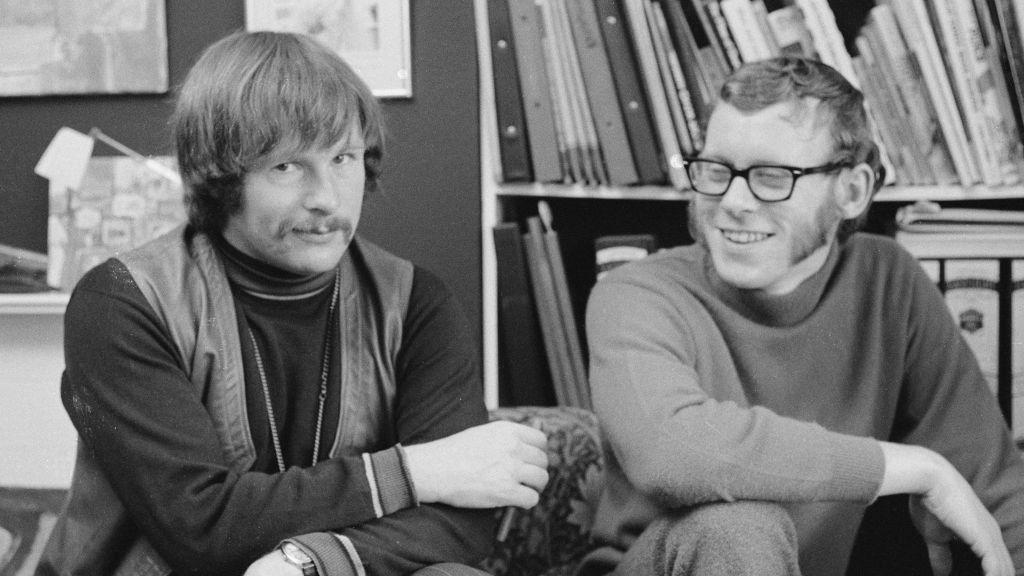 Image source, Radio Times via Getty ImagesImage caption,
 Future Goodies Bill Oddie and Graeme Garden photographed in 1973
As a child, he became interested in bird watching; a record of one of his first observations was even preserved in a West Midlands Bird Club publication in 1956.
After leaving King Edward's School, where he was an enthusiastic rugby player, he went to Pembroke College, Cambridge to read English.
There he became involved with the Footlights Club, which numbered Graeme Garden and Tim Brooke-Taylor among its members.
Oddie wrote for and appeared in the famous 1964 review, A Clump of Plinths, which, having taken the Edinburgh Festival by storm, travelled to London's West End as well as New Zealand and the United States.
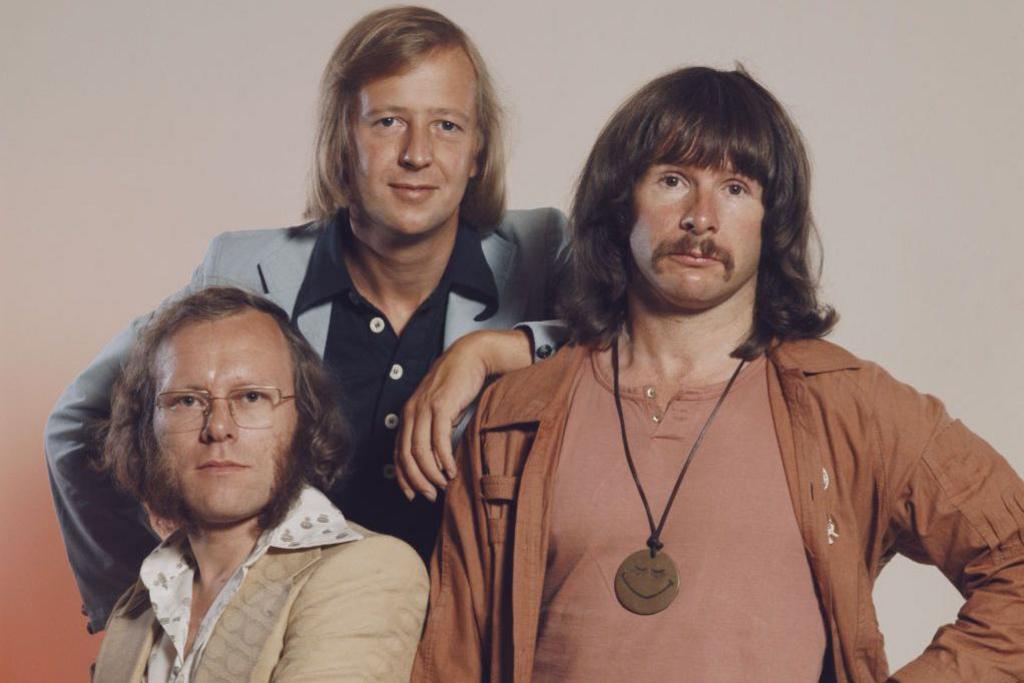 Image source, Hulton Archive via Getty ImagesImage caption,
 The Goodies: (l to r) Graeme Garden, Tim Brooke-Taylor and Bill Oddie in 1975
While still at Cambridge, Oddie wrote material for David Frost's satirical BBC TV show, That Was the Week That Was.
He fondly recalled a poem he wrote for fellow comedian Lance Percival in the style of The Ballad of Eskimo Nell about Camberley Kate who seduced dustbin men in Kent.
Having left university, he went on to join the cast of the BBC radio show I'm Sorry I'll Read That Again, which featured many of the Footlights performers.
He was also developing as a composer, writing many of the show's songs, some of which appeared on an album, Distinctly Oddie, in 1967.
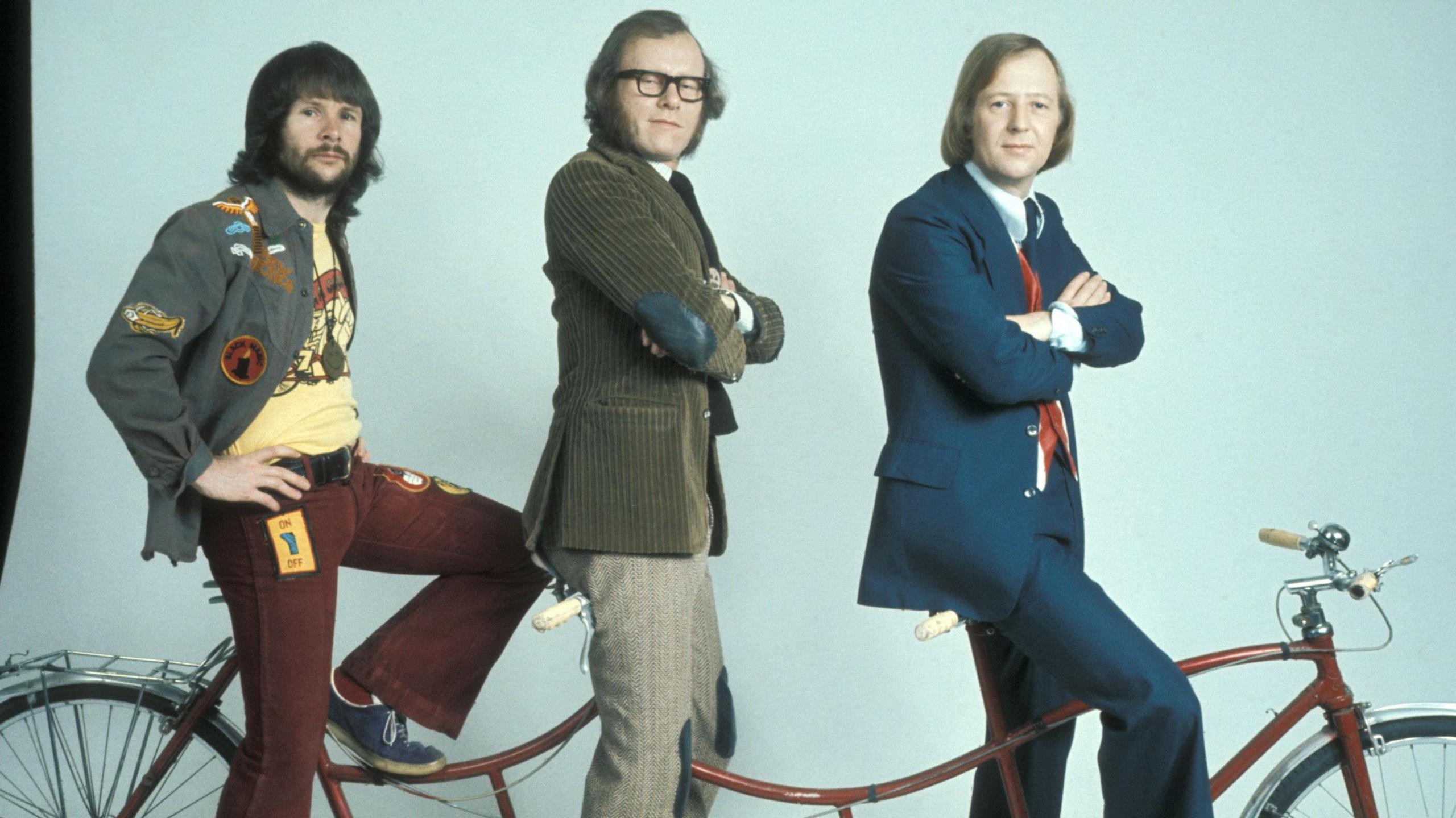 Image caption,
 The Goodies on their 'trandem'
While some of the old Footlights team went off to form Monty Python, Oddie - together with Graeme Garden and Tim Brooke-Taylor - created The Goodies.
It featured three characters on their 'trandem' who pedalled about offering themselves for hire with the tagline 'We Do Anything, Anywhere, Anytime'.
This spawned a series of comical situations, much slapstick and the use of fairly primitive special effects, mainly speeded-up film.
One of the memorable episodes was Kitten Kong, in which a giant feline toppled the Post Office Tower. A version of this episode won the Silver Rose at Montreux TV Festival in 1972.
Oddie composed a number of comic songs for the series, often parodies of contemporary pop music. The most successful, Funky Gibbon, reached number 4 in the UK charts and the trio performed it on Top of the Pops.
Forty years later, the track was re-released and the profits given to a campaign to preserve the primate's habitat.
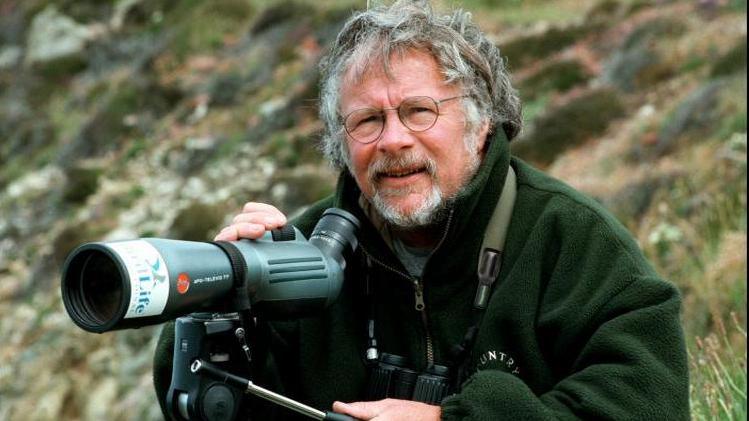 Image caption,
 Bill Oddie helped birdwatching find new audiences
The Goodies ran on BBC Television for most of the 1970s, eventually transferring to ITV for a short - and less than successful - period.
The show became cult viewing in Australia - and the team reformed to tour the country in 2005 - but the BBC never repeated it in the UK, something which annoyed the three performers.
Garden eventually went on record to suggest that the lack of repeats was punishment for the trio's "disloyalty" with ITV. "It seems they've held that grudge ever since," he said in 2020.
Oddie and Garden also co-wrote the scripts for many of ITV's Doctor in the House comedy series. But Oddie's childhood interest in ornithology had never waned and, by the mid 1970s, he was developing a career as a naturalist.
He made guest appearances on several programmes including Animal Magic. And the humorous style of his Little Black Bird Book, published in 1980, made it a bestseller.
"Bird-watchers are tense, competitive, selfish, shifty, dishonest, distrusting, boorish, pedantic, unsentimental, arrogant and - above all, envious" he wrote.
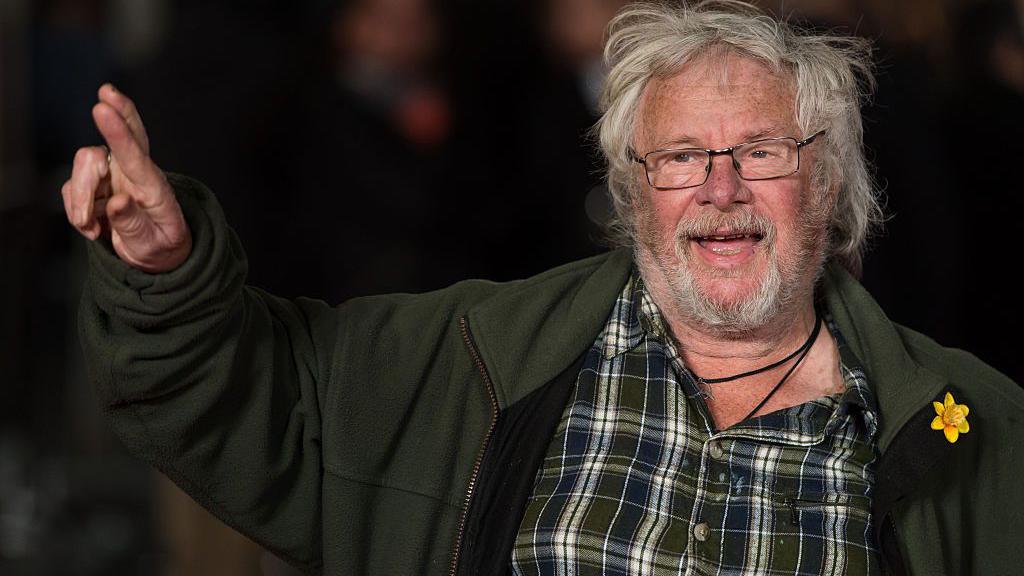 Image source, Getty ImagesImage caption,
 Bill Oddie hosted the BBC Springwatch programme until 2009
It also heralded a flowering of his career as a TV presenter and he seemed to be rarely off our screens.
The Great Bird Race, for Channel 4 in 1983, was followed by a number of programmes for the BBC including The Great Kenyan Bird Safari and Oddie in Paradise.
In 1985, the BBC ran a 50-minute Nature Watch special: Bill Oddie - Bird Watcher, in which he travelled to many of the areas where he loved to watch birds.
By the beginning of the new century, he was one of the BBC's best-loved presenters with shows like Birding with Bill Oddie and Bill Oddie Goes Wild, which took birdwatching to new audiences.
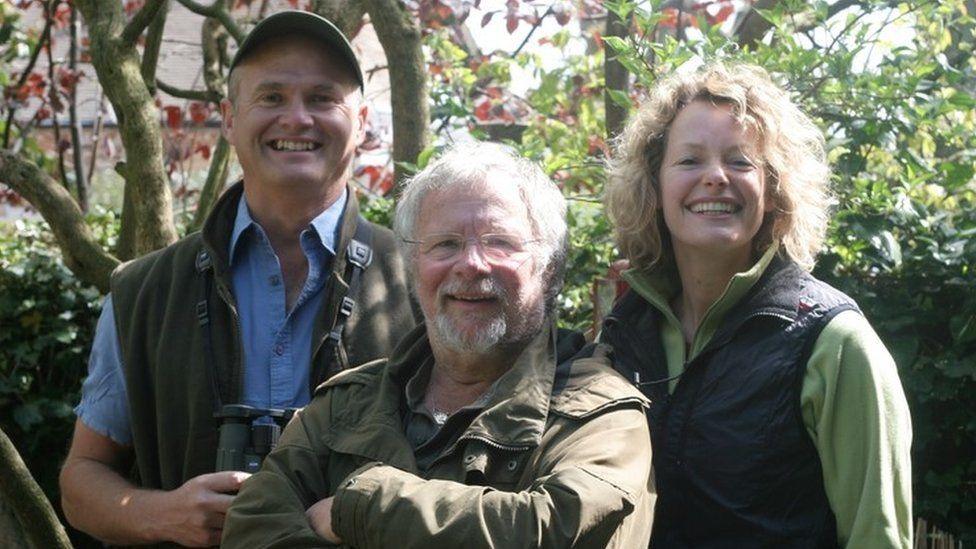 Image caption,
 Simon King, Bill Oddie and Kate Humble on the BBC's Springwatch programme
In 2004, Britain Goes Wild pulled in a record audience when it aired on BBC Two. A year later it returned as Springwatch, with Autumnwatch following a year later.
When he wasn't fronting wildlife programmes, Oddie popped up on a string of quiz shows, had a part in a Doctor Who episode and, a memorable and poignant appearance in the BBC's genealogy series, Who Do You Think You Are?
He also carved out a career as a voice-over artist.
He was the cat in a Thompson Directory commercial and made a series of adverts for the DIY chain, B & Q. He later described this aspect of his life as one of the most financially lucrative.
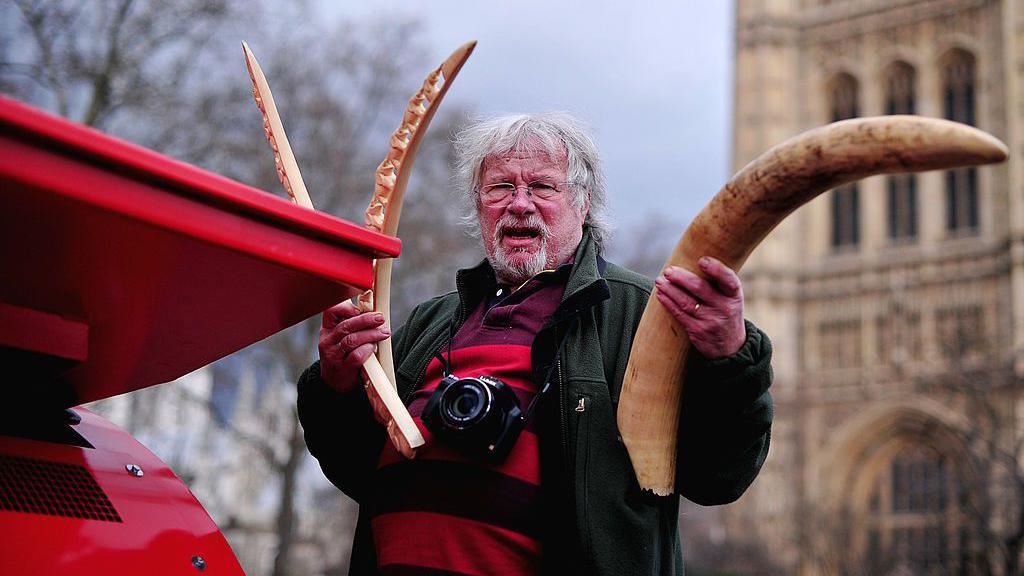 Image source, AFP via Getty ImagesImage caption,
 Bill Oddie campaigned against the illegal trade in ivory
He lent his celebrity to the campaign against the illegal trade in ivory, warning that poachers kill thousands of elephants a year.
But Oddie had always been prone to bouts of depression, and he was eventually diagnosed with bipolar disorder - which he occasionally blamed on his remote relationship with his mother.
Comic turned wildlife expert, Oddie, 77, told the Daily Mirror in 2018, external: "I never had a proper explanation.
"I was called in and told: 'We won't be asking you to make any more programmes'.
Oddie added: "Unfortunately my bipolar element had come into it and I could be very tetchy."
The Mirror reported that the BBC did not know at the time he had a conditon, but later issued a statement, saying: "We wish Mr Oddie a speedy recovery".
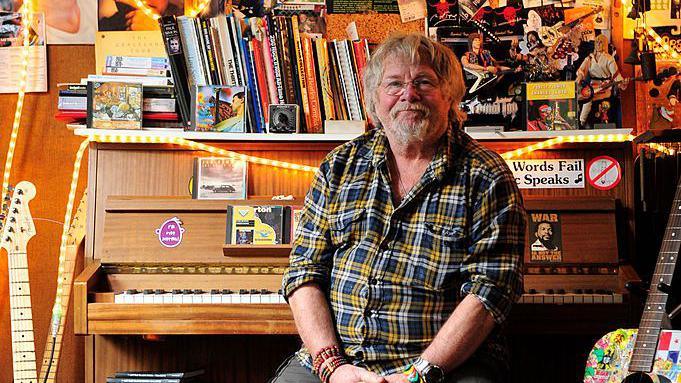 Image source, Future via Getty ImagesImage caption,
 Bill Oddie suffered severe lithium poisoning as a result of his mental health treatment
"At the time I was flabbergasted, " he said in a 2015 interview, external with the Independent.
"But a year later, I was diagnosed as bipolar. I thought back. If I knew then what I know now, I'd have accepted that I was going through a manic phase."
The audience missed him. Before he left, the show had averaged 3.19 million. After he left, that figure fell to 2.55 million.
Oddie later revealed his condition caused him to try and take his own life.
In 2020, he announced that he had been severely ill as a result of lithium poisoning: a treatment aimed at stabilising his moods.
He later posted on social media that "the past few years have been grim for me.
"Lost enthusiasm, but I am still here".
His outside interests included music. He once did a spell as a radio DJ playing jazz and his house contained his collection of thousands of CDs.
Oddie was also a passionate supporter of the Green Party and gave his time, and fame, to bolster wildlife charities such as the RSPB.
His 1967 marriage to the musician, Jean Hart, ended in divorce. In 1983, he married Laura Beaumont, who had previously worked with him on a number of projects.
Oddie was a true polymath, a man who seemed to make a success of everything to which he turned his hand.
But it was his conservation work that gave him the most satisfaction. "Wildlife, he said, " has long been a refuge; probably more than I realise."