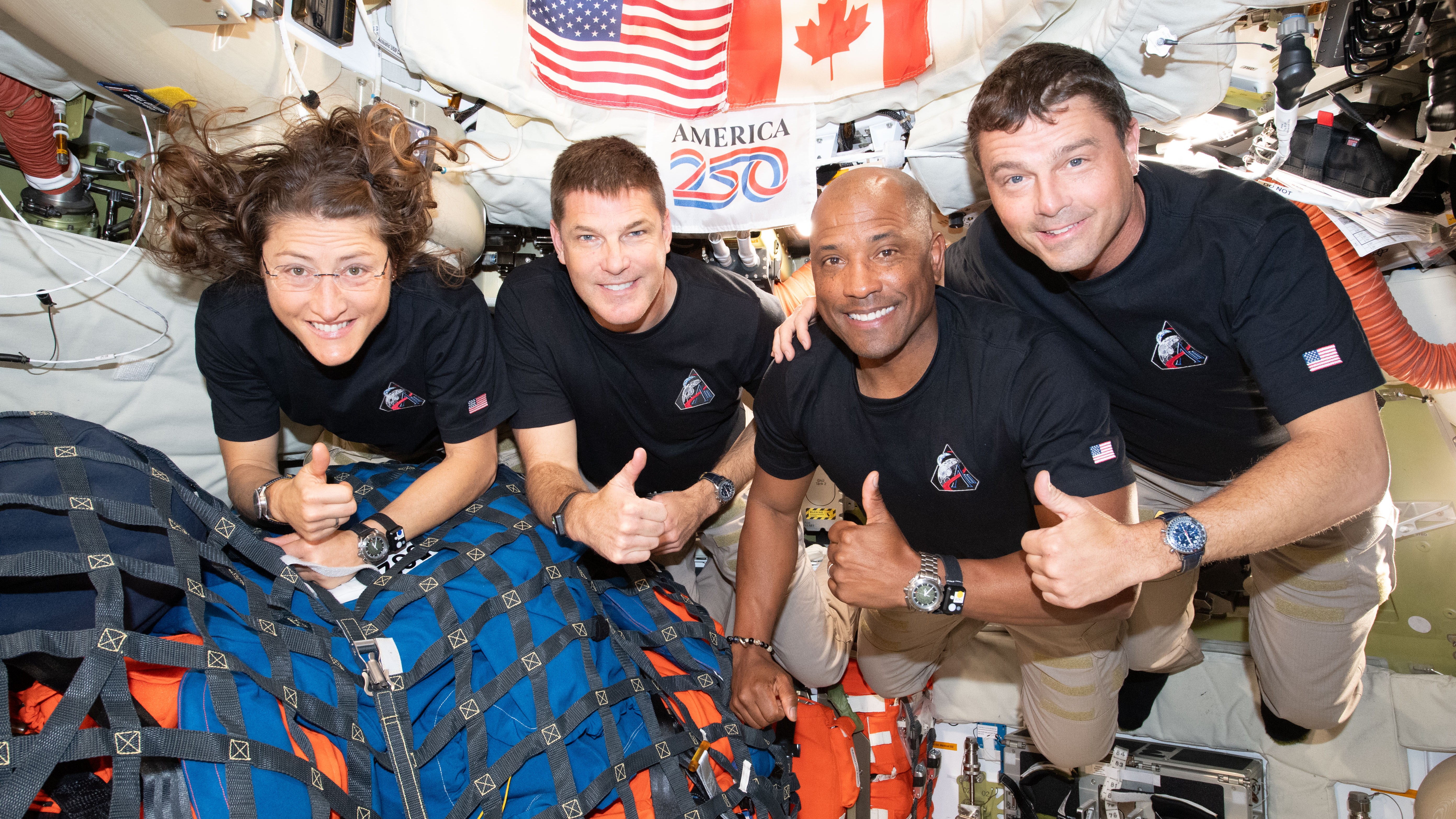
 The Artemis II crew: Christina Koch (left), Jeremy Hansen (center-left), Victor Glover (center-right), and Reid Wiseman (right) inside the Orion Capsule Integrity. (Image credit: © NASA via Getty Images)
 Here's the latest on the final stage of the Artemis II mission:
- The crew will return as the fastest human beings in history, entering the Earth's atmosphere at roughly 25,000 miles per hour (40,000 kilometers per hour) at approximately 7:53 p.m. EDT (11:53 p.m. GMT)
- Reentry will be one of the most dangerous stages of the mission, and a key test of the Orion capsule Integrity's faulty heat shield.
- Artemis II's heat shield is designed to protect the crew and slow their capsule by heating up to temperatures of around 2,800 degrees Celsius (5,000 degrees Fahrenheit). It is almost exactly the same as Artemis I's heat shield, and that partially cracked upon re-entry.
- If all goes well, the Artemis II crew will splash down in the Pacific Ocean near San Diego at roughly 8:07 p.m. EDT (12:07 a.m. GMT).
- NASA's live stream of the event begins at 6:30 p.m. EDT (10:30 p.m. GMT).
So what about the parachutes?
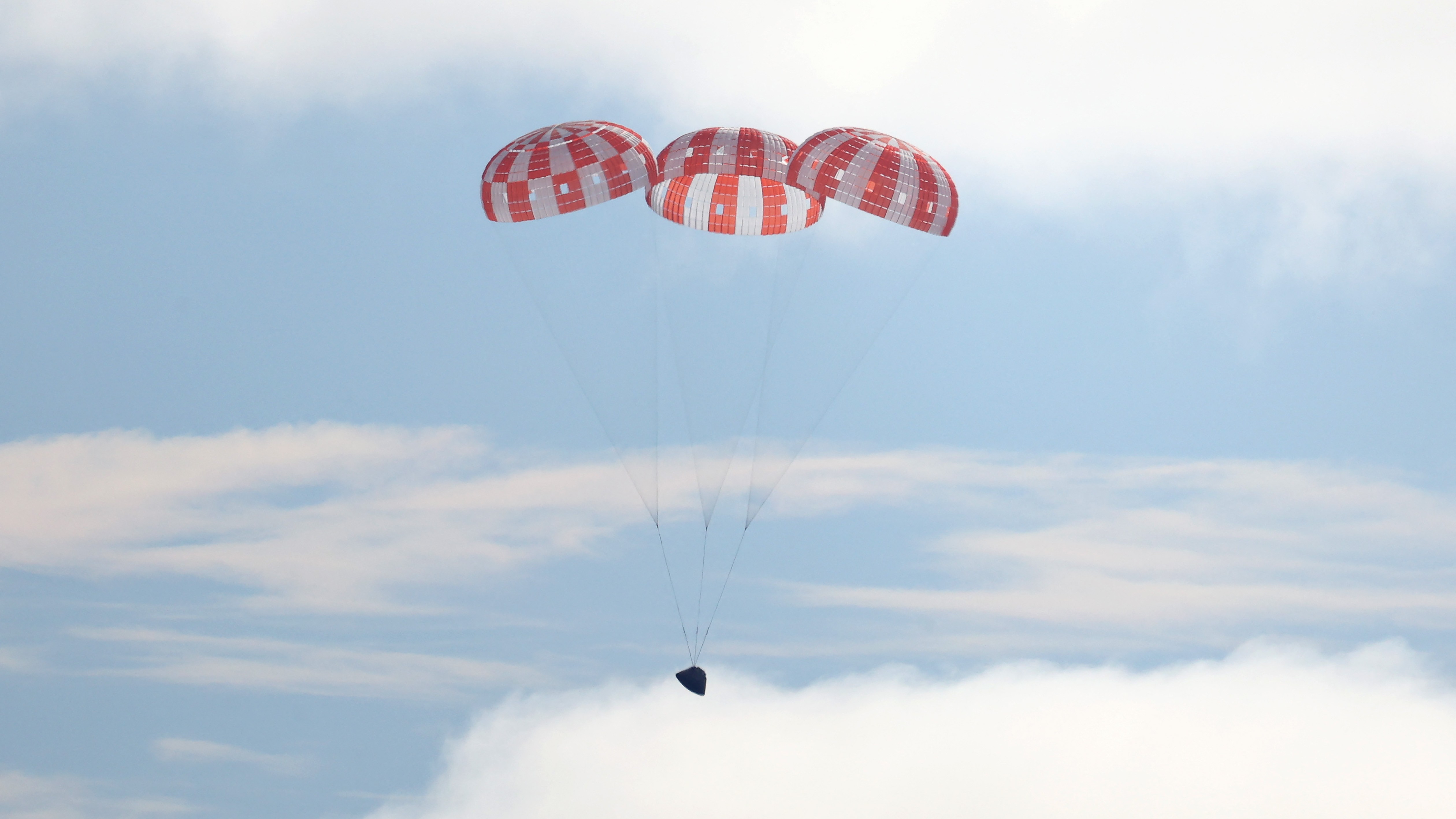
The heat shield's durability is certainly the big question today, but what about those parachutes Ben just mentioned?
The Orion spacecraft is fitted with 11 total parachutes, all deployed in a very specific sequence to slow, stabilize and safely lower the capsule into the ocean. They includes three forward bay cover parachutes, two drogue parachutes, three pilot parachutes and three main parachutes.
The most iconic of these are the three main parachutes, which span 116 feet (35 meters) in diameter, weigh 300 pounds (136 kilograms) and consist of 10,000 square feet of fabric each.
Reentry will see the crew enter into a six-minute radio blackout caused by a buildup of superhot plasma surrounding the capsule. After this, NASA will first deploy the two drogue parachutes at an alitude of around 6.7 kilometers (22,000 feet). Then, at around 1.8 km (6,000 ft), the three main chutes will be released, slowing the Orion capsule to a leisurely 20 mile per hour (32 kilometers per hour) descent to splashdown.
 Kenna Hughes-Castleberry 2026-04-10T11:39:55.917Z
 Feeling the heat
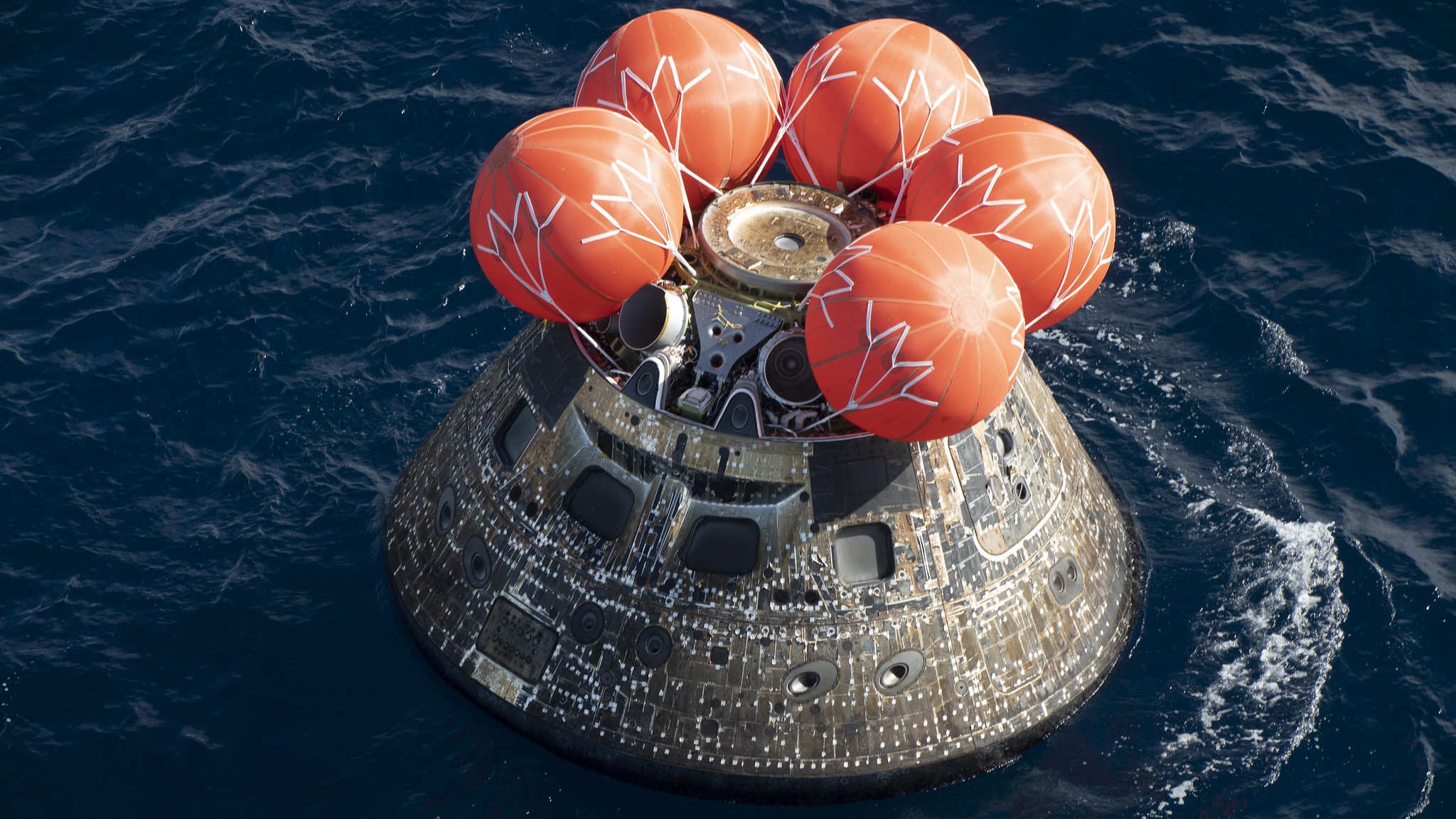
The speed at which the Artemis II crew will return to Earth is set to be record-breaking — hitting the top of the atmosphere at around 25,000 miles per hour (40,000 kilometers per hour).
To dissipate all that energy and arrive at a much more reasonable 20 mph (32 kph) splashdown in the Pacific Ocean off San Diego, the Orion capsule will use two key pieces of technology: parachutes and a heat shield.
Artemis II's heat shield is designed to protect the crew and slow their capsule by heating up to temperatures of around 2,800 degrees Celsius (5,000 degrees Fahrenheit). Yet it has a problem: It is almost exactly the same as Artemis I's heat shield, and that infamously cracked upon reentry.
That will make this coming stage of the mission among the most dangerous.
But while they have confessed to harboring "irrational" doubts, NASA officials have said they're not worried. Why? Check out Patrick's story here for the full answer.
2026-04-10T11:30:53.908ZWhat goes up

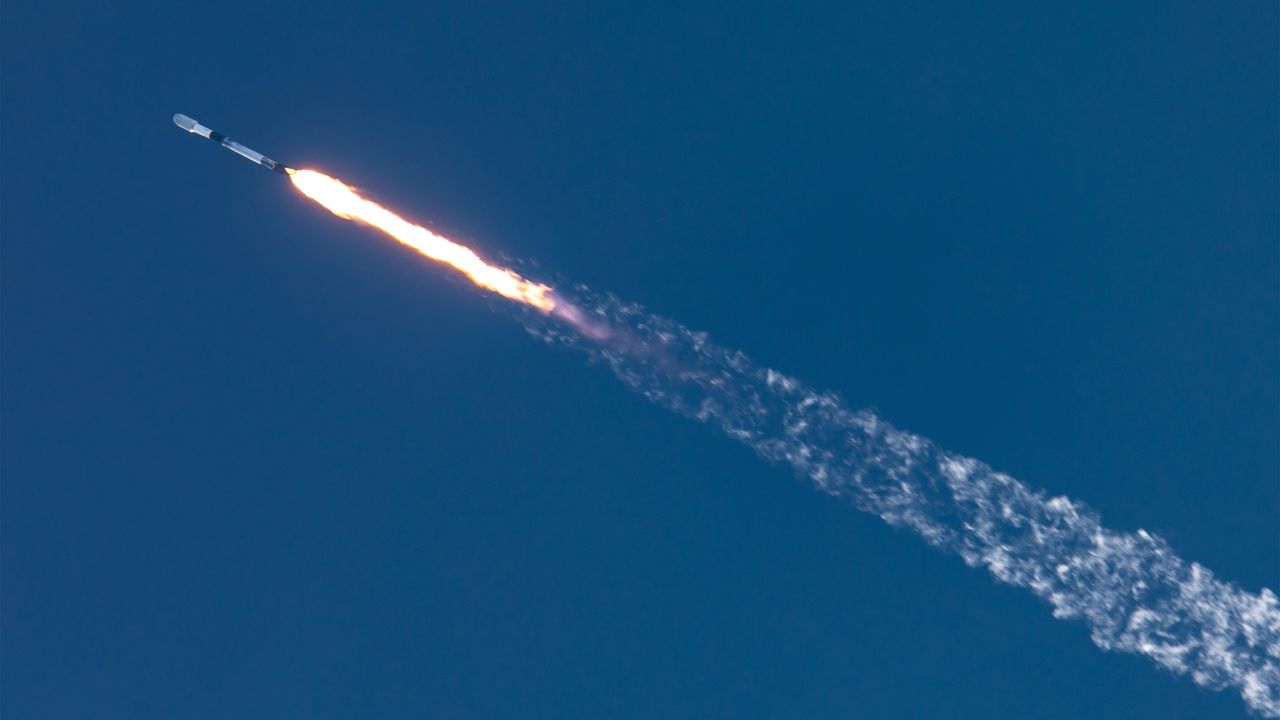
Good morning, science fans! We're back to cover the nail-biting final stage of the Artemis II mission, which has seen a four-astronaut crew embark on a 685,000-mile (1.1 million kilometers) 10-day journey around the moon and back.
The crew — consisting of commander Reid Wiseman, pilot Victor Glover, and mission specialists Christina Koch and Jeremy Hansen — have captivated millions around the world with their voyage, beaming back stunning images, scientific insights, laughter and some tears as they made history and laid the groundwork for humanity's return to the moon.
Now all they have to do is return home safely.
With their reentry at record-breaking speeds through Earth's atmosphere just hours away, Live Science will be following every moment of this perilous finale to their journey, bringing you breaking updates and expert commentary. Let's see them home.
 Ben Turner View More
 You must confirm your public display name before commenting
Please logout and then login again, you will then be prompted to enter your display name.
Logout LATEST ARTICLES 1AI war games almost always escalate to nuclear strikes, simulation shows
- 2Ancient Korean society practiced human sacrifice and high inbreeding, researchers find
- 3Chimpanzees in Uganda are locked in a deadly 'civil war' after their group split apart — and scientists don't know why
- 4James Webb telescope spots 'stingray' galaxy system that could solve the mystery of 'little red dots'
- 5'RIP, Comet MAPS': Watch the superbright sungrazer become a 'headless wonder' after being ripped apart by the sun