It's Juneteenth in the U.S. today (June 19), a federal holiday that commemorates the end of slavery in America.
Though the Civil War ended in April of 1865, it wasn't until June 19 that same year when Union soldiers officially enforced the law that all enslaved people would be free. But the end of slavery was only the beginning of the challenges soon to follow; for one, segregation between Black and white people in the U.S., both systemic and informal, persisted for years. And we still live in a time when active racism, and the consequences of prior racism, trickle into many aspects of society.
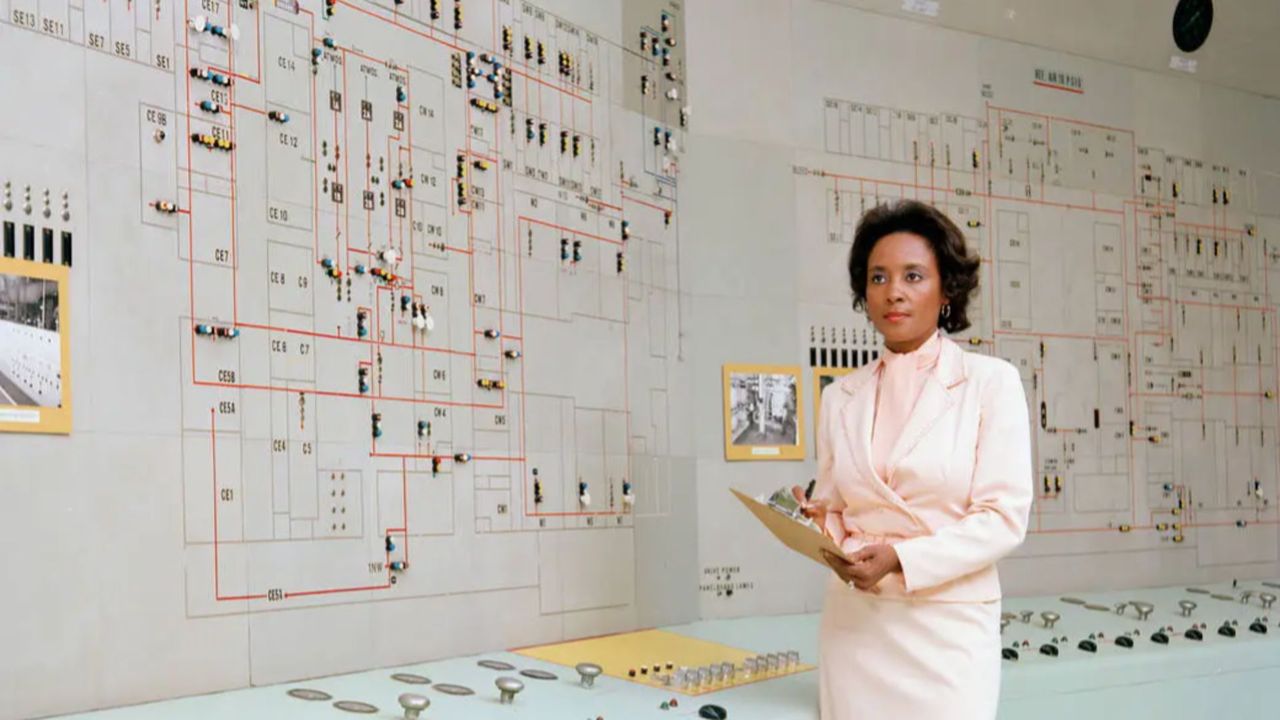
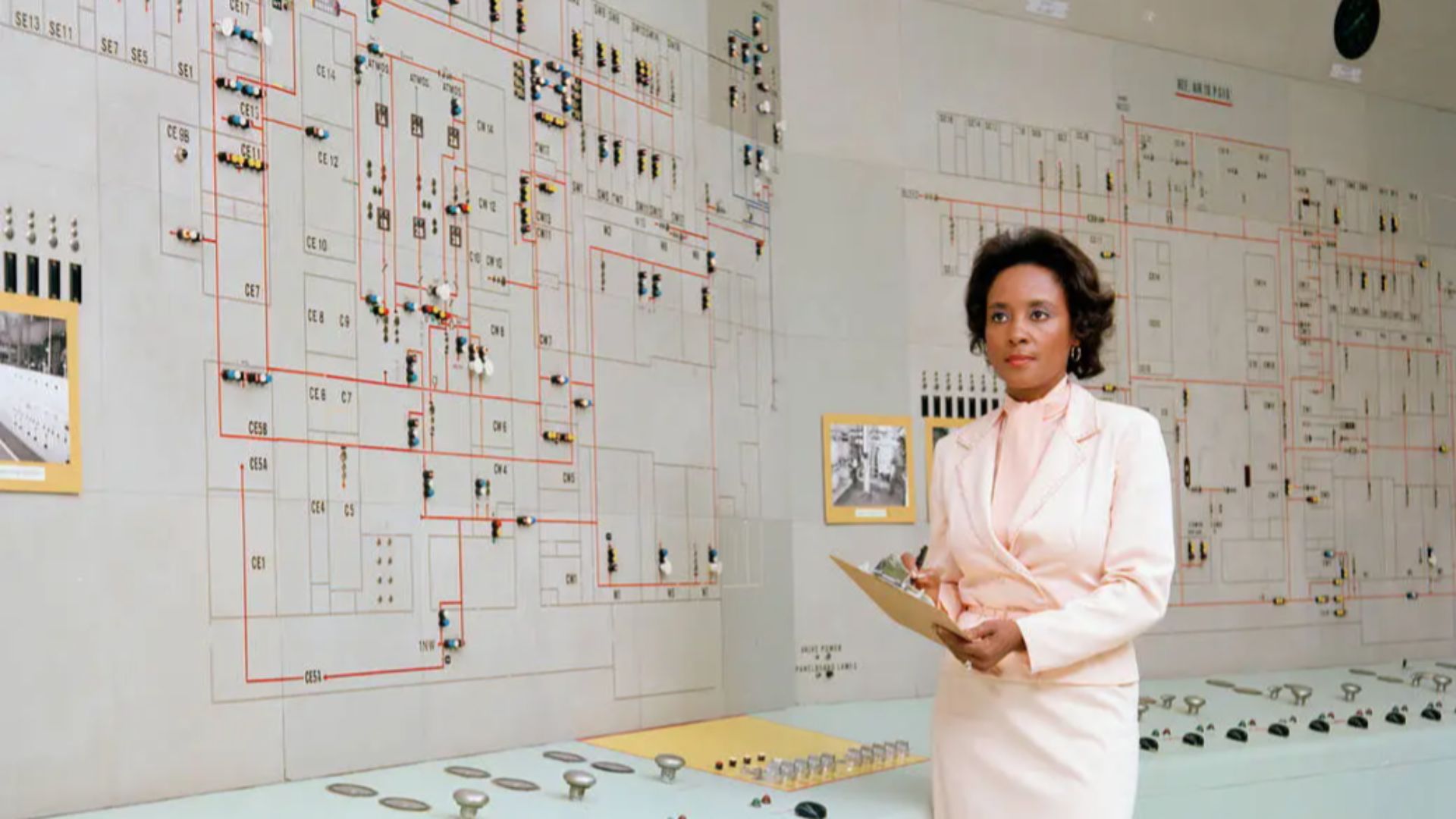
It indeed affected NASA; Black women at the agency were once discriminated against despite making serious contributions to the space program. Our image of the day today celebrates the accomplishments of one such woman, Annie Easley.
Latest Videos FromView moreWatch full video here:
Who is Annie Easley?
In 1955, Annie Easley started working for NASA's predecessor organization, the National Advisory Committee for Aeronautics (NACA). Her job was to serve as a "human computer," which was a position unique to the time. (NACA was dissolved in 1958, and its duties and personnel were taken on by the newly created NASA.)
Human computers at NACA and NASA were women who worked as basically early versions of computer programmers. To be a human computer, you had to be extremely good at mathematics, performing reliable calculations on a consistent basis to aid space missions.
Eventually, though, NASA moved toward the use of machine computers more often; Easley transitioned along with the space agency, ultimately becoming a full-fledged computer programmer.
As NASA explains, Easley's career shifted once again as it progressed. After some time, she took a position as the space agency's EEO, or Equal Employment Opportunity, counselor. She worked with NACA/NASA for 34 years before retiring in 1989. She passed away in 2011.
The importance of NASA's human computers
Like Easley, many of NASA's human computers became computer programmers once the agency made the transition to relying more heavily on machine computers. They together performed hundreds of thousands of calculations for the space program.
Easley alone was able to develop code that was crucial in research of energy-conversion systems, which paved the way for hybrid vehicles like the Centaur upper-stage rocket. Down the line, this work of hers contributed to the 1997 launch of the Cassini spacecraft that headed to Saturn.
However, the story wasn't as golden as it sounds retrospectively. Though NACA started hiring white women as "computers" in 1935, the agency didn't begin allowing Black women to enter the workforce until 1943. And that was only due to a shortage of professionals because of World War 2. In fact, human computers at the agency were not called professionals but rather "subprofessionals," and they were regularly talked down to by men who worked at the organization.
Black women had it particularly bad: They had to jump through hoops imposed by both racism and sexism.
Easley was one of just four African Americans out of 2,500 employees at NACA when she was hired.
In a 2001 interview, Easley recalled her mother saying to her: "'You can be anything you want to. It doesn't matter what you look like, what your size is, what your color is. You can be anything you want to, but you do have to work at it.'"
"I still believe that," she said.
View MoreYou must confirm your public display name before commenting
Please logout and then login again, you will then be prompted to enter your display name.
Logout Monisha RavisettiAstronomy Channel Editor
Monisha Ravisetti is Space.com's Astronomy Editor. She covers black holes, star explosions, gravitational waves, exoplanet discoveries and other enigmas hidden across the fabric of space and time. Previously, she was a science writer at CNET, and before that, reported for The Academic Times. Prior to becoming a writer, she was an immunology researcher at Weill Cornell Medical Center in New York. She graduated from New York University in 2018 with a B.A. in philosophy, physics and chemistry. She spends too much time playing online chess. Her favorite planet is Earth.