 Google
 Google says 2026 is going to be one of the biggest years for Android. However, that sentiment isn't restricted to just its mobile OS because today during the Android Show: I/O Edition, the company revealed a ton of major changes coming to Android Auto and cars with Google built-in.
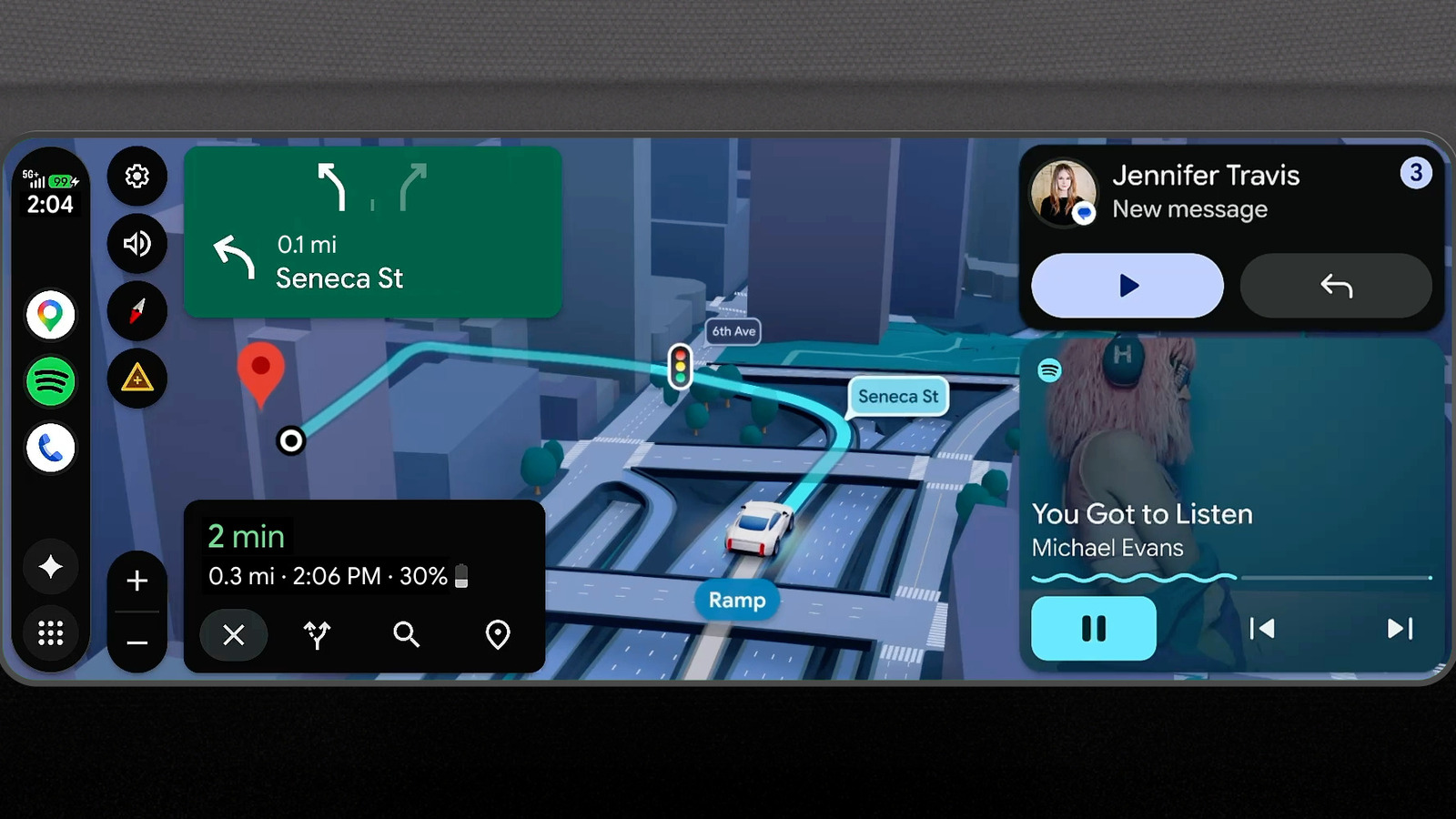
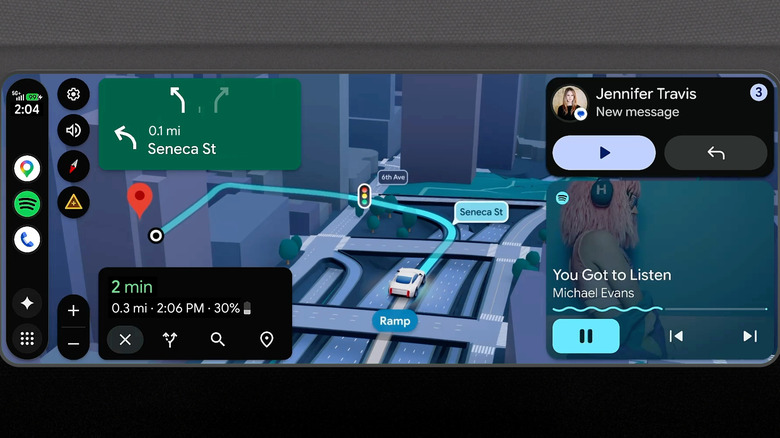
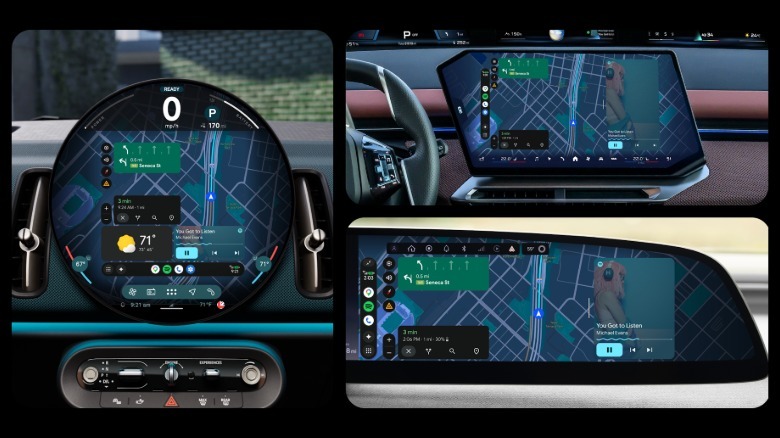
The first big change is a full rework of Android Auto's user interface featuring Google's Material 3 Expressive design, which adds more striking fonts, updated wallpapers and smoother animations. Furthermore, the company is borrowing widgets from its mobile division and adding support for them to your car's display, giving you more freedom to customize your layout while also providing more info at a glance. Widgets include things like shortcuts for your favorite contacts, a weather bug and virtual buttons for digital garage door openers. Google even says that Android Auto will be able to adapt its layout to accommodate cars with unusually shaped displays like the funky parallelogram screen BMW uses in the new i7.
 Google
 That said, perhaps the most impactful improvement coming to Android Auto is what Google is calling Immersive Navigation, which is based around detailed 3D maps that show much more detail including things like the location of traffic lights, stop signs, the number of lanes and nearby buildings. Meanwhile, Google is continuing with its push for AI in Android Auto thanks to some new Gemini features including better contextual awareness and support for Magic Cue, the latter of which we first saw last year on the Pixel 10 family. In some respects, the ability for Gemini to surface things like addresses, appointments and other tidbits of info is arguably even more helpful while driving because this should give you more freedom to focus on the road instead of staring at a screen (or even worse, your phone).
As for general entertainment, Google is upgrading Android Auto's video capabilities with support for HD playback at up to 60 fps. This will arrive later this year across a wide range of brands including BMW, Ford, Kia, Hyundai, Volvo and Mercedes-Benz. On top of that, if you start driving while watching a movie, Android Auto will be able to transition the clip to audio-only mode, which is great if you're watching something like a video podcast. Google says other media apps like YouTube Music and Spotify are also getting visual updates, while Android Auto gets support for spatial sound via Dolby Atmos (assuming your car has the proper speakers and a green light from the manufacturer).
 Google
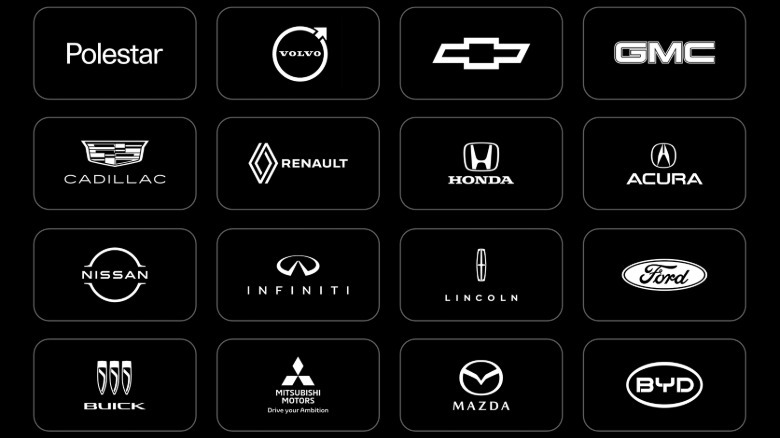
 Finally, for cars with Google built-in (which is sometimes called Android Automotive), the company is unlocking much deeper integration between the OS and the hardware in your vehicle. For example, if you use Gemini to ask questions in a supported vehicle, the AI can respond with specific answers like the meaning of an indicator light on your dashboard or if an item you're trying to bring home will actually fit in your trunk. Alternatively, when using Immersive Navigation in Google Maps, models with Google built-in will be able to provide more exact guidance by using your car's onboard cameras to better understand which lane you're in while providing real-time directions.
While there's no precise timetable for when these features will be available on your car/phone, Google says the updates to Android Auto and vehicles with Google built-in will be rolling out sometime later this year.