Long seen as the poor relation to arabica, small growers in the Amazon are rebooting the more resilient robusta’s reputation
Read more in the Coffee crisis series here
When the Paiter Suruí community expelled the last invaders of their land in 1981, they faced a divisive decision. Should they keep the coffee plantations left by the colonisers? Some destroyed them because of the death and violence contact with the non-Indigenous world had caused. Others felt sorry for the trees and couldn’t kill them.
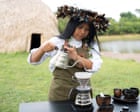
More than 40 years later, those estates that survived are being nurtured, supporting families and the environment. “Today, we use coffee as a way to preserve the forest,” says Celeste Paytxayeb Suruí, a famous Indigenous barista and coffee producer in Brazil. The award-winning fine coffee she prepares is called “Amazonian robusta”, and is produced in the Brazilian state of Rondônia in the western Amazon.
Continue reading...