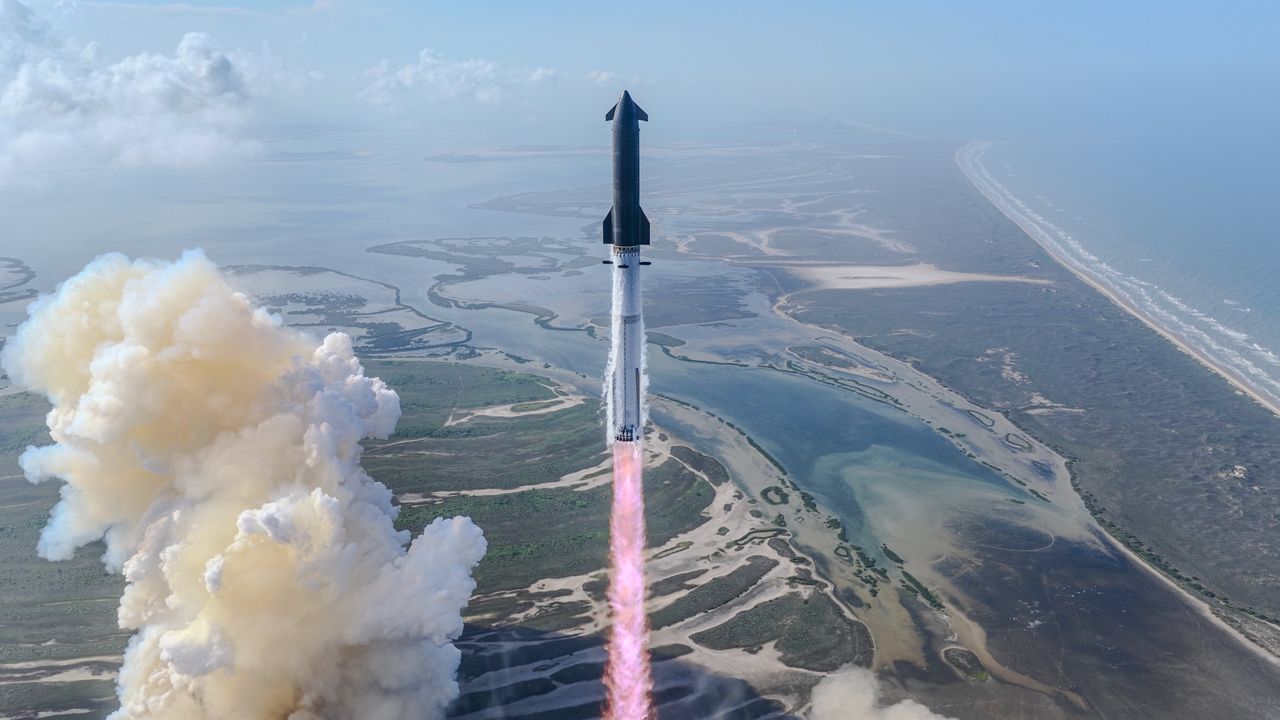
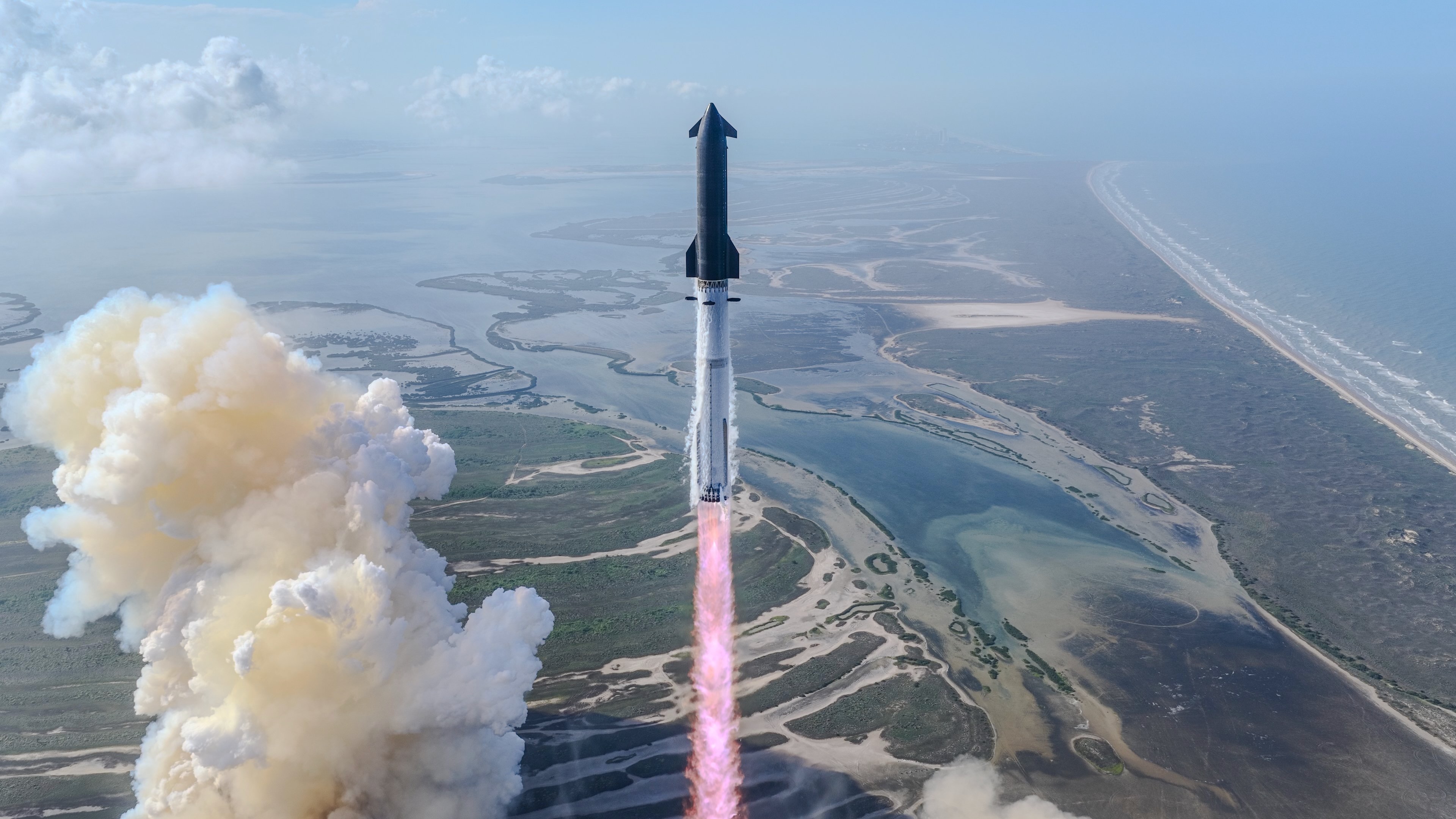
 SpaceX's Starship megarocket launches on its 12th test flight, on May 22, 2026. (Image credit: SpaceX) Share this article 0 Join the conversation Add us as a preferred source on Google Newsletter Subscribe to our newsletter
 SpaceX's initial public offering (IPO) will launch the company into rarefied financial air.
The company revealed this week that it plans to sell shares at $135 apiece during the IPO, which will occur June 12 when SpaceX begins trading on the Nasdaq under the ticker symbol SPCX.
That share price would give the company a valuation of $1.77 trillion, according to CNBC. Just six American companies are worth more: NVIDIA, Apple, Alphabet (Google), Microsoft, Amazon and semiconductor manufacturer Broadcom.
SpaceX aims to sell 555.6 million shares during the IPO, raising a total of $75 billion, CNBC reported. That would smash the IPO fundraise record of $21.8 billion, which was set back in 2014 by Chinese tech giant Alibaba.
The cash infusion will help SpaceX reach truly unprecedented heights, if all goes according to plan.
Elon Musk's company already dominates the global launch market, lofting 85% of all the satellites that went up in 2025. Most of those spacecraft were its own Starlink broadband craft, which constitute more than 75% of all active satellites in Earth orbit.
But the company is diversifying beyond launch and telecommunications — specifically, into artificial intelligence. SpaceX recently acquired xAI, the startup that Musk founded in 2023. xAI owns X (the social media platform formerly known as Twitter), built the generative AI chatbot Grok and operates Colossus, a supercomputer cluster in Tennessee.
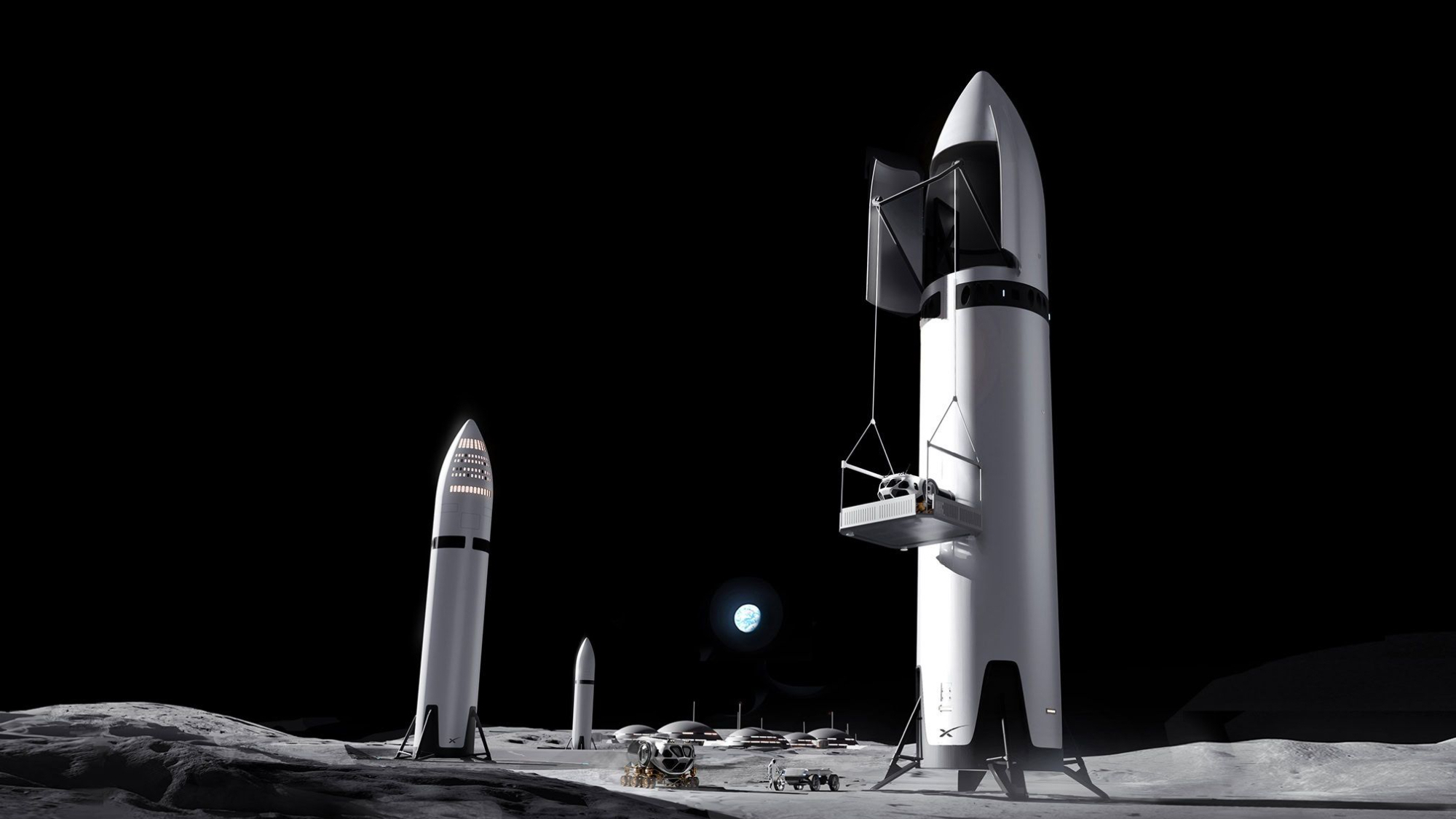
And SpaceX intends to take AI into the final frontier: It plans to operate one million off-Earth AI data centers, which the company will launch aboard its Starship megarocket.
Starship is the biggest and most powerful rocket ever built, and it's designed to be fully and rapidly reusable — a combination that will be revolutionary, according to Musk. But the vehicle remains in the development phase; it flew its 12th-ever test flight (like all the others, a suborbital affair) on May 22.
The company's ambitions are obviously quite lofty — but SpaceX is dreaming even bigger than you probably think. According to paperwork that SpaceX filed ahead of its IPO, it's eyeing a "total addressable market" (TAM) over the long haul of $28.5 trillion.
For perspective: In 2025, the gross domestic product of the United States — the total value of all goods and services generated within the nation's borders — was about $30.8 trillion.
The vast majority of SpaceX's envisioned TAM — nearly $23 trillion — is in the area of "enterprise AI applications," according to a video the company released as part of its IPO package. The company thinks that target is attainable because of its launch dominance, among other factors.
"Why do we think we're going to win? I think it starts first and foremost with our global leadership position in orbital launch services," Bret Johnsen, SpaceX's longtime chief financial officer, says in the video.
"We have an unrivaled satellite and connectivity platform that really leverages vertical integration from design, manufacturing, deployment and operations, and now really truth-seeking AI models enhanced by real-time data from our X platform," he added. "That extreme vertical integration really enables high-velocity and superior cost efficiency at scale. And, really, the business models are incredibly difficult to replicate, because of the fact that, at the core, you first have to have that global leadership position in orbital launch."
View MoreYou must confirm your public display name before commenting
Please logout and then login again, you will then be prompted to enter your display name.
Logout Mike WallSpaceflight and Tech Editor
Michael Wall is the Spaceflight and Tech Editor for Space.com and joined the team in 2010. He primarily covers human and robotic spaceflight, military space, and exoplanets, but has been known to dabble in the space art beat. His book about the search for alien life, "Out There," was published on Nov. 13, 2018. Before becoming a science writer, Michael worked as a herpetologist and wildlife biologist. He has a Ph.D. in evolutionary biology from the University of Sydney, Australia, a bachelor's degree from the University of Arizona, and a graduate certificate in science writing from the University of California, Santa Cruz. To find out what his latest project is, you can follow Michael on Twitter.